Discover Outstanding Cookware Materials to Elevate Your Culinary Skills
What Key Considerations Should You Keep in Mind When Choosing Cookware Material?
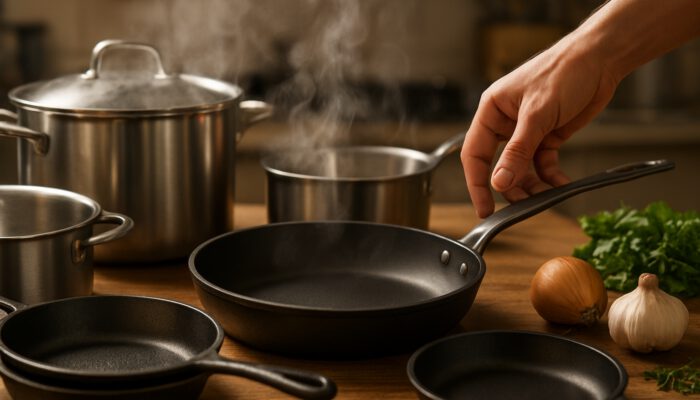
Selecting the right cookware material is crucial for achieving remarkable culinary results. Several critical factors play a significant role in this decision-making process. One of the foremost considerations is durability; high-quality materials must endure the demands of daily cooking without warping or compromising integrity. For instance, stainless steel is highly esteemed for its strength and rust resistance, making it suitable for various cooking techniques, from simmering hearty soups to searing flavourful meats.
Another vital aspect is heat distribution; materials such as cast iron excel in retaining and evenly dispersing heat, making them ideal for slow-cooked meals and frying. In contrast, non-stick alternatives excel at cooking delicate items like eggs, ensuring effortless release and easy cleaning, essential for busy home cooks.
The reactivity of materials is also a crucial consideration. For example, aluminium can react with acidic foods, leading to undesirable flavour changes and potential health risks. Thus, opting for anodised aluminium or stainless steel is advisable, especially for recipes involving tomato-based ingredients. Finally, the weight of cookware significantly influences cooking performance and usability; heavier pots usually offer better stability on the stove and are preferred for tasks requiring precision, such as simmering sauces to perfection.
Real-world examples vividly illustrate these critical considerations. A passionate home cook preparing a creamy risotto would greatly benefit from using a heavy-bottomed stainless steel pot due to its excellent heat retention. Conversely, a skilled baker might opt for a lightweight, non-stick pan to facilitate effortless cake removal. By recognising these influential factors, cooks can confidently select materials that enhance their culinary achievements and yield impressive results in the kitchen.
What Are the Unique Benefits of Various Cookware Materials?
The diverse range of cookware materials available today provides distinct advantages, each tailored for specific cooking tasks. Stainless steel is celebrated for its non-reactive qualities and remarkable durability, making it perfect for boiling, browning, and deglazing. Its versatility allows for seamless transitions from stovetop to oven, accommodating a wide array of cooking techniques. However, it may lack the non-stick properties of other materials, complicating the cleaning process.
Cast iron cookware is renowned for its exceptional heat retention, making it an excellent choice for frying and baking. A well-seasoned cast-iron skillet can develop a natural non-stick surface, ideal for searing meats or baking delightful cornbread. Although cast iron is heavy and requires maintenance to prevent rust, its performance in high-heat environments is unparalleled.
Non-stick coatings have revolutionised cooking, enabling healthier meal preparation with less oil. They excel at preparing delicate foods like fish or pancakes due to their easy-release properties. However, concerns regarding the safety of certain coatings have prompted many consumers to explore alternatives, such as ceramic non-stick or titanium-reinforced options that promise safety and longevity.
Copper cookware is highly regarded among professional chefs for its superior heat conductivity, which allows for precise temperature control, although it typically requires more care due to its reactive nature. Each material presents unique advantages and disadvantages, empowering cooks to choose based on their specific needs and preferences.
Which Common Misconceptions Exist About Cookware Materials?
A multitude of myths surrounding cookware materials can lead to poor decisions in the kitchen. One widespread misconception is that all non-stick cookware carries safety risks due to the potential release of harmful chemicals when overheated. While older non-stick coatings raised legitimate concerns, recent technological advancements have produced safer options, such as those free from PFOA. Consumers should prioritise reputable brands that comply with strict safety standards.
Another prevalent belief is that heavier cookware is always superior. Although heavier materials like cast iron and stainless steel provide excellent heat retention and stability, lighter materials can also be effective, especially for quick-cooking tasks. For instance, a lightweight sauté pan made from high-grade aluminium can facilitate rapid heat changes, crucial for techniques like stir-frying.
Additionally, many individuals assume that all stainless steel cookware performs uniformly. In reality, the quality of stainless steel can vary significantly; lower-grade options may warp or stain over time. Familiarising oneself with different grades of stainless steel empowers consumers to make informed choices. Finally, some believe that cookware must be expensive to be effective. However, numerous budget-friendly options can perform admirably when selected thoughtfully. Understanding the characteristics and behaviours of various materials can help dispel these misconceptions, leading to smarter cookware choices.
What Environmental Factors Should Be Considered When Choosing Cookware Materials?
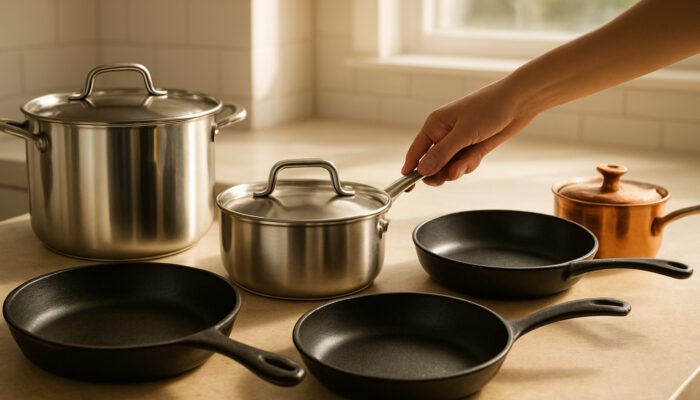
In an increasingly eco-conscious society, understanding the environmental impact of cookware materials is essential. The production processes, durability, and recyclability of different materials significantly influence their sustainability. For example, stainless steel is not only robust but also recyclable, making it a responsible choice for those aiming to reduce waste. Its extended lifespan results in fewer replacements, alleviating environmental burdens.
Cast iron also presents a sustainable option; its longevity allows for generations of use when properly cared for. Furthermore, it requires no chemical coatings, thereby reducing its environmental footprint. However, the mining and manufacturing processes for cast iron can be resource-intensive, prompting cooks to consider the product's entire lifecycle.
Conversely, non-stick cookware often raises concerns regarding its environmental impact due to the chemicals used in coatings. While many brands are now producing eco-friendly versions, the production and disposal of traditional non-stick options can present significant environmental challenges. Consumers can mitigate their impact by selecting cookware that is both durable and environmentally responsible, such as ceramic non-stick or stainless steel.
Finally, the disposal aspect of cookware materials is crucial to consider. Many materials, including aluminium, are recyclable, while others may end up in landfills. It is vital to select cookware that not only meets performance needs but also aligns with personal sustainability values, promoting responsible kitchen practices on a global scale.
How Does Material Choice Affect Cooking Performance?
Why Is Heat Conductivity Vital for Successful Cooking?
Heat conductivity plays a pivotal role in cooking performance, influencing how effectively food cooks and the flavours that develop during the process. When selecting cookware, it is essential to understand how various materials conduct heat to achieve desired results. Copper is regarded as one of the best heat conductors, allowing for rapid temperature changes, making it ideal for precision cooking techniques like candy-making or preparing delicate sauces. However, copper cookware generally requires a lining of another metal, such as stainless steel, to prevent reactions with certain foods.
Aluminium cookware is another excellent conductor, commonly found in many kitchens due to its lightweight characteristics. While it heats quickly and evenly, uncoated aluminium can react with acidic foods, leading to undesirable flavours. This has led to the popularity of anodised aluminium, which provides a durable, non-reactive surface, perfect for everyday cooking.
Although cast iron and stainless steel may not conduct heat as efficiently as copper or aluminium, they possess unique strengths. Cast iron retains heat exceptionally well, making it ideal for slow cooking and baking, as it holds its temperature once heated. Conversely, stainless steel heats more slowly but offers superior durability and is non-reactive, making it suitable for a variety of cooking methods.
When assessing heat conductivity, it is crucial to evaluate the typical cooking tasks at hand. For those who frequently sauté vegetables or sear meats, using conductive materials like copper or anodised aluminium can enhance efficiency. Conversely, individuals focused on slow-cooked dishes may prefer the heat retention properties of cast iron.
What Key Properties Are Necessary for Achieving Even Cooking?
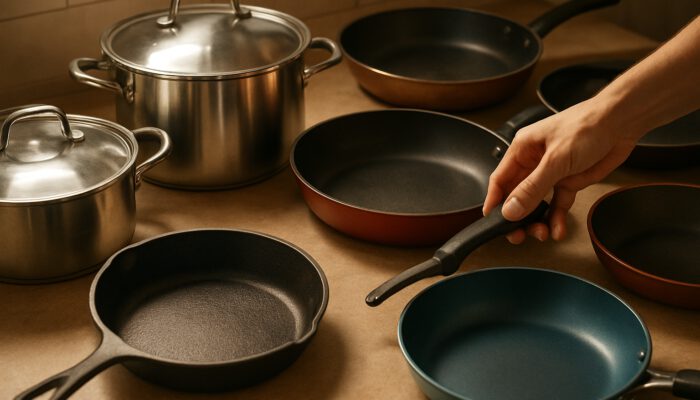
Achieving even cooking is essential for creating delicious meals, and certain properties of cookware materials significantly contribute to this objective. Weight is a key factor; heavier pots and pans tend to distribute heat more uniformly, minimising the risk of hotspots that can lead to uneven cooking. For instance, a thick-bottomed sauté pan can prevent food from scorching while ensuring that ingredients cook through evenly.
In addition to weight, responsiveness is vital. Materials that quickly react to temperature changes, such as copper or aluminium, provide greater control during cooking. When preparing delicate sauces or stir-fries, responsive materials allow cooks to adjust heat levels swiftly, achieving perfect textures and flavours.
Another important characteristic is thickness; thicker materials often offer better heat retention and distribution, leading to more consistent cooking outcomes. When selecting cookware, consider pans with a core of conductive material, such as aluminium, sandwiched between layers of stainless steel. This combination delivers the benefits of even heat distribution while maintaining the durability of stainless steel.
To evaluate the cooking performance of various materials at home, consider conducting simple tests. For instance, prepare a batch of pancakes using both a non-stick skillet and a cast-iron skillet to observe differences in browning and cooking time. By understanding how different material properties affect cooking, home cooks can optimise their kitchens for consistent and impressive culinary results.
What Signs Indicate That Your Cookware Is Degrading Over Time?
Recognising the signs of material degradation is essential for maintaining effective cookware, ensuring longevity and optimal cooking outcomes. One common indicator is warping; this can occur in materials like stainless steel or in non-stick coatings when subjected to extreme temperature variations. A warped pan will not sit flat on the cooking surface, leading to uneven heating and a frustrating cooking experience.
Staining is another sign that cookware may be losing its effectiveness. For instance, stainless steel can develop discolouration from high-heat cooking or acidic foods. While surface stains are often cosmetic, they can impact performance over time if left unaddressed. Regular cleaning with appropriate solutions can help restore the pan's appearance and maintain its functionality.
Moreover, non-stick coatings can show signs of wear, such as scratching or peeling, indicating a need for replacement. Cooking with damaged non-stick surfaces can lead to food sticking and potential health concerns if particles are ingested.
To monitor and maintain your cookware, develop a routine of inspection and care. Regularly check for warping, scratches, and stains, and clean materials according to the manufacturer’s recommendations. By proactively addressing maintenance, home cooks can extend their cookware's lifespan while ensuring consistent performance in the kitchen.
Effective Strategies for Selecting the Ideal Cookware Material
What Techniques Can Enhance Your Cookware Evaluation Process?
When it comes to selecting the perfect cookware material, effectively evaluating your options can greatly enhance your cooking experiences. Start by performing simple weight checks; heavier cookware typically signifies higher quality, as these pieces often feature thicker bases that promote even heat distribution. For example, when comparing two skillets of similar size, a heavier skillet is likely made from denser material, providing stability and durability.
Another effective strategy is to examine the finish of the cookware. High-quality stainless steel should display a polished appearance, while lower-grade options may appear dull or uneven. Pay close attention to seams or joinery; well-constructed pieces will seamlessly integrate different materials, reducing the risk of hotspots during cooking.
Brand reputation is also a vital factor in cookware selection. Established brands with proven track records tend to be more reliable. Look for customer reviews and testimonials that highlight individual experiences and satisfaction levels. For instance, a brand known for its non-stick skillets may offer a warranty to guarantee quality, reflecting confidence in its products.
Real-world examples can further guide your choices. In professional kitchens, chefs often prefer brands known for their reliability in high-pressure environments. Observing such choices can provide insights into materials that withstand rigorous use while delivering consistent results.
How Can You Effectively Balance Cost with Quality When Choosing Cookware?
Finding the right balance between cost and quality is essential when selecting cookware materials, as investing in high-quality pieces can elevate your culinary adventures. One effective approach is to prioritise versatile essentials—items that accommodate multiple cooking methods. A heavy-duty saucepan or versatile skillet may come with a higher price tag but can replace several lower-quality pieces over time, resulting in long-term savings.
Consider lifetime warranties as an indicator of quality. Cookware from reputable brands that offer a lifetime guarantee demonstrates confidence in the product's durability. While these may be pricier, they often prove more economical in the long run, as the need for replacements diminishes.
Another strategy is to explore second-hand options. High-quality cookware usually has a long lifespan, and many individuals sell barely used pieces at a fraction of the original cost. This allows cooks to invest in premium brands without the hefty price tag, ensuring they still benefit from reliable performance in their kitchens.
Additionally, evaluate the per-use cost when considering your options. A sturdy piece of cast iron cookware, for example, may seem costly at first, but its durability and performance can lead to significant savings over years of use. By analysing both upfront costs and long-term value, home cooks can make informed decisions that align with their budgets and cooking needs.
What Advanced Techniques Can Enhance Your Cookware Material Selection?
Optimising cookware selection often involves combining materials for enhanced cooking outcomes. For example, layering materials can significantly improve heat control and cooking efficiency. A pan with a copper core wrapped in stainless steel offers the best of both worlds—superior heat conductivity and durability. This combination enables home cooks to achieve precise temperature regulation while enjoying the longevity of stainless steel.
When selecting cookware, consider key factors such as ease of cleaning. Materials like enamel-coated cast iron can provide a non-stick experience while ensuring durability and versatility. However, be cautious, as not all non-stick surfaces are equal; opting for scratch-resistant versions can further enhance usability.
Storage options also play a role in material selection. Stackable cookware can save space and minimise wear during storage. Ensure that cookware is stored properly to avoid scratches and dents, especially when using multiple materials. For instance, placing a soft cloth between stacked skillets can help prevent damage to non-stick coatings.
When combining materials, be mindful of their characteristics; some materials may not react well together, leading to inconsistent cooking results. Understanding the strengths and weaknesses of each material will help create a cookware collection that is both functional and efficient.
What Fundamental Factors Should Guide Your Cookware Choices?
How to Thoroughly Assess Material Safety?
Evaluating the safety of cookware materials is essential for maintaining a healthy cooking environment. Start by examining the non-toxic properties of the materials used—specifically, cookware free from harmful chemicals such as PFOS, particularly in non-stick coatings. Reputable brands typically provide information on their safety standards, enabling consumers to make informed choices.
Another critical aspect is chemical resistance. Some materials, such as stainless steel and cast iron, are non-reactive and safe for use with various food types. In contrast, aluminium cookware can react with acidic foods, leading to potential health issues. Opting for anodised aluminium or stainless steel can help alleviate these risks.
To confirm material safety, look for certifications or compliance with recognised safety standards. Many high-quality cookware brands undergo rigorous testing to ensure their products meet safety regulations.
Moreover, understanding the proper use and care of materials can enhance safety. For example, using metal utensils on non-stick surfaces can create scratches, compromising the coating's integrity. Following manufacturer guidelines ensures that cookware remains safe for use while preserving its functionality.
What Is the Environmental Impact of Your Cookware Choices?
The environmental impact of cookware choices extends beyond initial purchase decisions. Evaluating the reusability and production methods of materials can guide more sustainable kitchen practices. For example, opting for cookware made from recycled materials or that can be recycled at the end of its lifecycle significantly reduces waste.
When selecting materials, consider the manufacturing processes involved. Cookware produced using eco-friendly practices, such as reduced emissions or sustainable sourcing, typically has a lower carbon footprint. Brands that prioritise environmentally friendly production methods positively contribute to sustainability efforts.
Additionally, choose durable cookware that minimises the need for replacements. High-quality stainless steel or cast iron can last for decades with proper care, reducing waste associated with disposables or less durable options. Investing in long-lasting pieces not only benefits individuals but also supports global sustainability initiatives.
Lastly, consider the energy efficiency of cookware materials. Some materials are better suited for specific cooking methods, thereby reducing energy consumption. For instance, materials with excellent heat retention, like cast iron, can enable lower cooking temperatures while still achieving desired results.
How to Align Cookware Materials with Your Cooking Styles?
Customising cookware selections to match individual cooking styles can greatly enhance meal outcomes and foster enjoyable culinary experiences. For those who favour quick cooking methods, such as stir-frying or sautéing, lightweight, highly conductive materials like aluminium or stainless steel may be advantageous. These materials heat rapidly and allow for swift temperature adjustments, which are crucial for dishes requiring speed and precision.
Conversely, individuals who prefer slow cooking techniques, such as braising or baking, might find heavy, heat-retentive materials like cast iron more suitable. These materials provide consistent heat and excellent moisture retention, perfect for developing rich flavours over extended cooking times.
For baking enthusiasts, specific materials can also enhance outcomes. Non-stick bakeware, for instance, ensures easy release of baked goods, while glass or ceramic dishes offer even heat distribution for casseroles and lasagnas. Understanding these preferences can assist in selecting materials that yield the best results for favourite recipes.
Lastly, consider dietary habits when selecting cookware. Those who cook with health in mind may prefer non-stick options that require less oil or cooking fat, promoting healthier meal preparation. By aligning cookware choices with cooking styles and dietary needs, home chefs can create an efficient and effective kitchen environment.
Research-Backed Advantages of Selecting the Right Cookware Material
Why Is Material Durability a Crucial Factor?
The durability of cookware materials is a vital consideration when making selections, as it directly affects long-term performance and value. Durable materials decrease the need for frequent replacements, ultimately saving consumers both time and money. For instance, investing in high-quality stainless steel or cast iron can provide decades of reliable use when cared for appropriately.
Durable cookware materials also enhance cooking performance. The consistent heat distribution and retention associated with well-constructed pieces lead to improved flavour development and texture in food. For example, a heavy-bottomed pot can maintain temperature during extended cooking sessions, yielding more tender results in stews or sauces.
To prioritise durability, consider lifetime warranties offered by reputable brands. These warranties often reflect the manufacturer’s confidence in their products, indicating that they are built to withstand daily use.
Furthermore, user reviews can offer insights into the durability of cookware materials. Real-life experiences, such as the performance of cast iron skillets or the longevity of non-stick surfaces, can guide consumers in making informed choices.
What Innovations in Material Technology Should You Be Aware Of?
Advancements in material technology have significantly improved cooking precision and efficiency. One noteworthy innovation is the creation of multi-layered cookware, which combines different materials to optimise heat conduction and retention. For instance, pots with a copper core surrounded by stainless steel ensure rapid heating while maintaining ease of cleaning and durability.
New technologies have also enhanced non-stick surfaces, making them more resilient and safer for health-conscious consumers. Many modern non-stick coatings are now PFOA-free and boast superior scratch resistance, ensuring they last longer and remain effective throughout their lifespan.
Additionally, advancements in ceramic coatings have provided eco-friendly alternatives that mimic the non-stick properties of traditional options without associated health concerns. These innovations cater to the growing demand for safer and more sustainable cookware while maintaining high-performance standards.
Moreover, smart cookware is gaining popularity, featuring technologies that allow chefs to monitor cooking temperatures and times via connected devices. This technology enhances precision, enabling even novice cooks to achieve restaurant-quality results in their kitchens.
By staying informed about these innovations, home cooks can select cookware materials that not only meet their immediate needs but also leverage cutting-edge technology to enhance their culinary experiences.
How to Seamlessly Integrate Different Materials into Your Kitchen?
Integrating various cookware materials seamlessly into your kitchen setup can boost cooking efficiency and versatility. To achieve this, consider compatibility; for instance, pairing a heavy-duty cast-iron skillet with a lightweight non-stick frying pan allows for a broad range of cooking techniques. Each piece can serve a specific purpose, complementing others for diverse culinary tasks.
When integrating materials, focus on key benefits that enhance overall performance. For example, using a stainless steel pot for boiling and a non-stick skillet for sautéing can streamline meal preparation while ensuring optimal results. This method not only provides versatility but also reduces the need for additional pieces.
Integration considerations should also include ease of use and cleaning. For example, layering materials that are easy to clean, such as enamel-coated cast iron, alongside stainless steel, can simplify post-cooking maintenance. This enhances convenience and encourages the use of various materials based on specific cooking requirements.
Creating a cohesive cookware collection that combines various materials requires thoughtful selection based on cooking preferences and styles. By understanding the strengths of each material and how they can work in harmony, home cooks can cultivate a well-rounded kitchen setup that enhances their culinary skills.
Best Practices for Caring for and Maintaining Your Cookware
What Are the Optimal Cleaning Methods for Different Cookware Materials?
Maintaining cookware materials requires adopting best cleaning practices that preserve their integrity and extend usability. For stainless steel cookware, avoid abrasive cleaners that can scratch the surface. Instead, use a blend of warm water and mild dish soap for regular cleaning. For tough stains, a paste made of baking soda and water can effectively remove discolouration without harming the finish.
Cast iron requires a different approach; it is crucial to avoid soap entirely to maintain the seasoning. Instead, scrub with a non-abrasive brush or coarse salt and hot water, then dry thoroughly to prevent rust. Regularly applying a thin layer of vegetable oil helps maintain the seasoning and keeps the surface non-stick.
For non-stick cookware, use gentle sponges for cleaning and avoid metallic utensils that can scratch the coating. Allow cookware to cool before washing to prevent warping or damage. Additionally, consider hand washing non-stick pieces, as the harsh environment of dishwashers can shorten their lifespan.
Lastly, copper cookware requires regular polishing to maintain its appearance and prevent tarnishing. A mixture of lemon juice and baking soda can help keep the surface gleaming while preserving its conductive properties. By implementing these tailored cleaning strategies, cooks can ensure their cookware remains in excellent condition, promoting longevity and performance in the kitchen.
When Should You Consider Replacing Worn Cookware?
Recognising when to replace worn cookware is essential for maintaining optimal cooking results. Signs indicating the need for new cookware include reduced performance; for example, if pots and pans no longer distribute heat evenly or food begins to stick despite proper care, it may be time for an upgrade.
Another indicator is visible damage. Scratches or peeling on non-stick surfaces can compromise the safety and effectiveness of the cookware. If any coating is worn through, replacing the item is crucial to avoid potential health risks.
Warping poses a significant concern for materials like stainless steel and non-stick; warped cookware can result in uneven cooking and instability on the stovetop, impacting safety and performance. If a pan no longer sits flat, it is advisable to replace it to ensure consistent results.
Lastly, consider how frequently the cookware is used. For individuals who cook often, investing in high-quality replacements every few years may be necessary. Regularly assessing the condition of cookware ensures that kitchen tools remain effective and safe, ultimately enhancing the cooking experience.
What Are the Best Storage Solutions for Extending Cookware Longevity?
Implementing proper storage solutions for cookware is crucial for maintaining its longevity and performance. To prevent scratches and dents, consider using soft liners or cloths between stacked pieces; this is particularly important for non-stick pans, which can easily be damaged by direct contact with other cookware.
Utilising hanging systems for pots and pans can save space while keeping cookware accessible and in optimal condition. By hanging items, you minimise the risk of scratches and allow for easy reach during cooking.
For organising lids, consider dedicated racks or drawer inserts designed to keep them secure and easily accessible. Properly storing lids helps prevent damage and facilitates smoother cooking, as quickly locating the right lid can streamline meal preparation.
Finally, ensure that heavy items are stored on lower shelves to avoid accidents and reduce strain on the cookware. Efficiently organising kitchen spaces not only extends the life of cookware but also improves overall cooking experiences by making tools readily accessible.
How Can You Repair Minor Damages in Cookware?
Addressing minor damages to cookware can help extend its lifespan and maintain performance. For scratches in non-stick pans, while complete restoration may not be feasible, applying a small amount of vegetable oil can help reduce friction and enhance cooking performance. Always use non-metal utensils to prevent further damage.
For dents or warping in stainless steel cookware, gently reshaping the material can sometimes restore its original form. Applying pressure to the dented area using a soft cloth can often help, ensuring you do not use excessive force that could further harm the material.
If rust appears on cast iron skillets, scrub the affected areas with coarse salt and a non-abrasive brush, followed by a thorough oil treatment to restore the seasoning. Maintaining a routine upkeep schedule can significantly reduce the likelihood of rust forming in the first place.
It is crucial to remember safety measures when repairing cookware. Always exercise caution to avoid injury or further damage. By promptly addressing minor issues, cooks can ensure their cookware continues to perform effectively while also saving on replacement costs.
Frequently Asked Questions About Cookware Materials
What Is the Best Non-Stick Cookware Material?
Ceramic-coated cookware is often deemed the optimal non-stick option due to its excellent release properties and absence of harmful chemicals, ensuring safe and healthy cooking.
How Should I Care for My Cast Iron Skillet?
To maintain a cast-iron skillet, clean it using a non-abrasive brush, avoid soap, dry it thoroughly, and apply a thin layer of vegetable oil after each use to preserve its seasoning.
Is Investing in Stainless Steel Cookware Worth It?
Absolutely! Stainless steel cookware is exceptionally durable, non-reactive, and versatile, making it a valuable investment for any kitchen and delivering long-term performance with proper care.
Can I Use Metal Utensils on Non-Stick Cookware?
It is advisable to avoid metal utensils on non-stick cookware, as they can scratch and damage the coating, leading to food sticking and potential health concerns.
What Cookware Is Best for Induction Cooking?
Magnetic materials such as stainless steel and cast iron are ideal for induction cooking, as they conduct heat efficiently when placed on induction hobs.
How Often Should I Replace My Cookware?
Replace cookware when you notice significant damage, such as warping, scratches, or peeling non-stick coatings, to maintain safety and cooking performance.
Are There Eco-Friendly Cookware Options Available?
Indeed, options like stainless steel and cast iron are environmentally friendly due to their durability and recyclability, while ceramic-coated cookware offers a safe alternative to traditional non-stick options.
What Is the Best Way to Store Cookware?
Store cookware to prevent scratches, such as using soft liners between stacked items or utilising hanging systems to keep it accessible and in good condition.
Can I Use My Copper Cookware on Induction Stovetops?
Copper cookware is not inherently compatible with induction stovetops unless it has a layer of magnetic material, such as stainless steel, bonded to the base.
How Do I Remove Stubborn Stains from Stainless Steel Cookware?
For persistent stains on stainless steel, mix baking soda with water to form a paste, apply it to the stain, and scrub gently with a non-abrasive sponge to remove the stain.
Connect with us on Facebook!
The post How to Pick the Right Cookware Material: Essential Tips appeared first on https://cookinggods.com
The Article Choosing the Right Cookware Material: Key Tips for Success Was Found On https://limitsofstrategy.com
The Article Cookware Material: Essential Tips for Choosing Wisely found first on https://electroquench.com