Explore the Vital Role of Backflow Testing in Protecting Water Safety
What Is Backflow and Why Should You Be Concerned?

The term backflow refers to a dangerous condition where water reverses its intended flow, which can lead to the contamination of the clean water supply. This reversal can be triggered by various factors, including fluctuations in pressure within the water supply system, which may unintentionally pull pollutants back into drinking water. It is essential to comprehend the concept of backflow, especially in both residential and commercial settings, as it poses serious health threats to the community. Harmful contaminants, such as fertilizers, chemicals, and bacteria, can lead to severe health challenges for individuals consuming this polluted water. Therefore, identifying and addressing backflow risks is crucial for safeguarding public health and maintaining the integrity of all water supply systems.
In regions like Port Coquitlam, ensuring a consistent supply of clean water is paramount, given the community's dependence on municipal water systems. Preventative measures, including the installation of backflow prevention devices, have been implemented to avert contamination. Routine testing of these systems is not merely advisable; it serves as a vital shield against potential health risks arising from contaminated water sources. By prioritising testing, communities can guarantee a reliable and safe drinking water supply for every resident.
Decoding Regulations and Compliance Standards for Backflow Testing
In Canada, strict regulations highlight the importance of regular backflow testing to safeguard public health. Local authorities and health organisations mandate both residential and commercial establishments to adhere to these regulations, ensuring the safety of the water supply. For instance, the British Columbia Plumbing Code necessitates the installation of backflow prevention devices in specific instances, especially in high-risk environments such as hospitals, schools, and industrial facilities, to effectively mitigate contamination risks.
These regulatory requirements are not merely recommendations. Both businesses and homeowners must schedule regular tests to ensure compliance. Failing to meet these standards can result in hefty fines and legal repercussions, emphasising the necessity of adhering to testing schedules. Property owners should focus not only on the installation of backflow prevention devices but also on maintaining thorough records of testing to demonstrate compliance with local laws and guidelines, fulfilling their responsibility to protect the community’s water supply.
What Are the Dangers of Skipping Backflow Testing?
Ignoring backflow testing can lead to severe repercussions, highlighting the urgent need for routine inspections. Neglecting these tests can introduce significant health hazards, as contaminated water can lead to illnesses ranging from gastrointestinal infections to more severe health conditions. The potential for widespread health crises stemming from a single backflow incident is particularly troubling in densely populated areas like Port Coquitlam, where the interconnected nature of the water supply can magnify the impact.
Furthermore, property owners may incur substantial financial liabilities for neglecting backflow testing. Regulatory bodies can impose significant fines for non-compliance, which can strain both personal and business finances. The expenses related to rectifying contamination issues—including cleanup, legal fees, and medical costs for affected individuals—can far exceed the relatively minor investment of regular backflow testing. Consequently, taking proactive measures to avert health risks and financial burdens is essential for all property owners.
Key Steps for Efficiently Scheduling Your Backflow Testing in Port Coquitlam
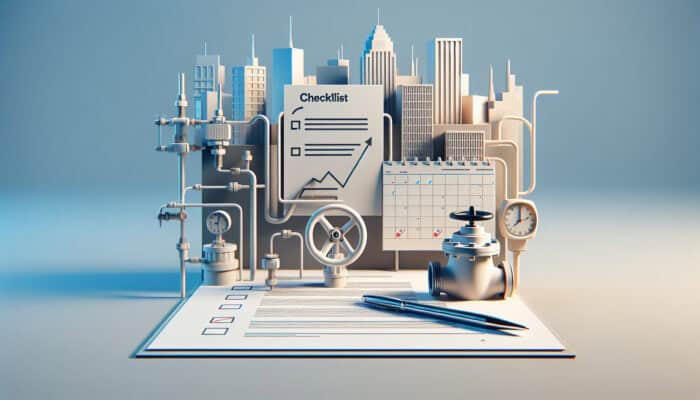
How Can You Locate Certified Experts for Backflow Testing?
Selecting certified professionals for backflow testing is essential to ensure accurate results and adherence to local regulations. An experienced technician not only performs testing but also offers insights regarding the condition of your backflow prevention devices. When searching for qualified professionals, consider these crucial qualifications:
- Certification from a recognised plumbing or backflow prevention authority.
- Demonstrated experience with various backflow prevention devices and systems.
- Positive customer reviews and testimonials indicating reliability and service quality.
- Appropriate insurance coverage to protect against potential mishaps during testing.
- Comprehensive understanding of local regulations and compliance standards.
- Ability to furnish detailed reports and recommendations for repairs.
- Availability to address emergency testing needs.
- Clear and transparent pricing structures without hidden charges.
Choosing the right professionals can significantly influence the effectiveness and compliance of your backflow prevention system. Investing time in this initial search can help property owners avert major issues in the future, ensuring peace of mind and adherence to safety standards.
How Often Should You Schedule Backflow Testing?
The frequency of backflow testing can differ significantly depending on the type of system and local regulations governing it. In Port Coquitlam, municipal guidelines typically advocate testing backflow prevention devices at least once a year. However, particular systems, especially those in high-risk environments, may require more frequent inspections due to their specific operational demands.
For instance, systems such as irrigation or fire protection systems may necessitate testing every six months or even quarterly, depending on their complexity and usage patterns. Property owners should consult certified professionals to understand the specific requirements for their systems and ensure testing schedules align with regulatory mandates. Regular testing not only guarantees adherence to regulations but also aids in identifying potential concerns before they escalate, thereby safeguarding the water source from contamination and ensuring public health.
What Happens During a Backflow Test?

During a backflow test, certified professionals will carry out a thorough examination of your system, searching for signs of malfunction while assessing the efficiency of the backflow prevention devices. Initially, they will inspect the entire plumbing system to identify any potential weaknesses or existing issues that could result in backflow incidents. The testing process typically involves temporarily shutting off the water supply and connecting specialised equipment to accurately measure the pressure within the system. Once the test is complete, the technician will provide a comprehensive report detailing the current condition of your backflow prevention devices. This report may include suggestions for necessary repairs or maintenance to ensure the system operates effectively and safely. Property owners should keep these reports, as they serve as proof of compliance with local water safety regulations and can be invaluable during future inspections or audits.
How to Effectively Schedule and Document Your Backflow Testing
To arrange backflow testing, property owners should reach out to certified professionals well in advance, especially during peak periods when demand for plumbing services is high. Establishing a recurring schedule—whether annually or biannually—can integrate testing into regular property maintenance and safety protocols.
Accurate documentation is equally critical as scheduling. Keeping detailed records of all tests, including dates, results, and any repairs performed, is essential for compliance and future reference. This documentation acts as proof of diligence in maintaining water quality and can be crucial during inspections by local authorities. Ensuring all paperwork is organised and readily accessible not only provides peace of mind but also facilitates smoother regulatory interactions, reinforcing the necessity of adhering to backflow testing compliance.
Professional Insights on Backflow Testing Services in Port Coquitlam
Real-World Instances Demonstrating the Necessity of Backflow Testing
<pActual incidents vividly illustrate the pressing need for backflow testing. For example, a local restaurant in Port Coquitlam faced dire consequences after neglecting a backflow prevention device, leading to food and water contamination that affected numerous patrons. This incident resulted in health repercussions, legal actions, and significant financial losses during the closure for investigations and cleanup efforts.
Another notable case involved a residential complex that suffered extensive plumbing issues when backflow contaminated the water supply with hazardous chemicals from neighbouring industrial operations. The aftermath necessitated costly repairs and led to a long-term decline in property values. These occurrences underscore the necessity of routine backflow testing, highlighting how proactive measures can prevent distressing situations and protect public health.
- Incident at a Port Coquitlam restaurant resulting in contamination and closure.
- Residential complex affected by backflow from adjacent industrial sites.
- School district facing legal challenges due to a contaminated water supply.
- Community outbreak of gastrointestinal illness linked to backflow issues.
Understanding these incidents and their implications serves as a powerful reminder to prioritise backflow testing and maintenance. Regular testing can help avert these risks, protecting both public health and community property values.
What Are the Warning Signs of Backflow Problems?
Signs of backflow issues can often be subtle yet concerning. Unusual changes in water colour, taste, or odour are significant indicators that there may be a problem with the water supply. For instance, a sudden shift in tap water to a brownish hue could suggest that rust or other contaminants have entered the water supply due to backflow. Similarly, if residents notice a chemical taste or smell, it may signal potential contamination requiring immediate attention.
Early detection is crucial for maintaining safe water quality. Property owners should remain vigilant and promptly report any noticeable changes to certified professionals. Other indicators include unexpected pressure fluctuations in water flow, which may suggest backflow. By recognising these signs early, property owners can take swift action to prevent more serious health risks and costly repairs, ensuring the ongoing safety of the water supply.
Effective Strategies for Preventing Backflow Contamination
Preventing backflow is essential for securing a safe water supply. Here are practical steps that property owners can implement to effectively maintain their systems in compliance:
- Schedule regular backflow testing with certified professionals to ensure compliance and system health.
- Install appropriate backflow prevention devices according to local regulations and guidelines.
- Conduct routine visual inspections of the plumbing system for signs of wear or malfunction.
- Educate yourself and others in your household or workplace about the risks of backflow and the signs to monitor.
- Maintain accurate records of all testing and maintenance activities to demonstrate diligence.
- Establish a routine maintenance schedule for all plumbing systems to prevent potential issues.
- Stay informed about local regulations and standards regarding water safety and compliance.
- Utilise technology, such as monitoring systems, to track the performance of backflow devices.
By proactively implementing these preventive measures, property owners can significantly reduce the risk of backflow contamination, ensuring their water supply remains safe and compliant with regulations. Taking these steps contributes to the overall health and safety of the community.
How to Choose a Reliable Backflow Testing Service in Port Coquitlam
Selecting a dependable backflow testing service necessitates careful consideration of several factors. First, confirm that the service provider holds the necessary certifications and licenses, validating their qualifications to perform the tests. Experience is essential; you want a company with a proven track record in backflow testing and familiarity with various types of systems.
Customer reviews and testimonials are invaluable when selecting a service. Positive feedback from previous clients indicates reliability and quality of service. Additionally, ensure the provider complies with local regulations, which can vary by municipality. This compliance is critical not just for adherence but also to guarantee that the testing methods employed meet current safety standards. Finally, inquire about the range of services offered; a comprehensive service provider will assist with repairs and maintenance in addition to testing, providing peace of mind that all your backflow concerns are addressed effectively.
The Significant Benefits of Professional Backflow Testing
How Professional Testing Improves Water Safety Standards
Professional backflow testing is crucial for ensuring that water remains safe for consumption. Contaminated water resulting from backflow can lead to serious health issues, including bacterial infections, gastrointestinal disorders, and other conditions that can profoundly affect public health. By investing in professional testing, you ensure that your drinking water remains uncontaminated and safe for your family, employees, or customers.
Moreover, certified professionals are trained to identify potential issues that untrained individuals might overlook. They provide valuable insights into the overall condition of your plumbing systems and recommend necessary improvements. This proactive approach not only guarantees safety but also fosters a culture of responsible water management in communities like Port Coquitlam, where public health is a shared responsibility.
Safeguarding Your Property Value Through Consistent Testing
Routine backflow testing is a critical investment in maintaining your property’s value. Well-maintained plumbing systems are more likely to retain their value compared to those with potential hazards. Today’s buyers are increasingly conscious of water safety and the implications of neglecting backflow prevention. Therefore, showcasing a history of compliance and regular maintenance can significantly enhance property appeal in the market.
Furthermore, properties that demonstrate a commitment to safety and compliance typically encounter fewer regulatory issues, creating a smoother experience for owners during property transactions. By prioritising backflow testing, property owners not only protect their investment but also contribute to the long-term sustainability of their community’s water supply, emphasising the importance of collective responsibility in water safety.
What Are the Typical Expenses Involved in Backflow Testing Services?
The costs associated with backflow testing can vary based on several factors, including the complexity of the system and the property's location. Typically, homeowners can expect to pay between $100 and $300 for routine backflow testing. In contrast, larger systems commonly found in commercial settings may incur higher fees due to their complexity and additional testing requirements.
Understanding these costs is essential for budgeting regular maintenance. It is crucial to regard backflow testing as a necessary expense rather than an optional service; neglecting this critical testing can lead to significantly higher costs in the long run, including fines and health-related expenses. Property owners should also consult multiple service providers to compare pricing and services, ensuring they receive quality testing at a fair price while protecting their water supply.
Ensuring Compliance with Local Regulations and Safety Standards
Utilising professional backflow testing services is vital for ensuring adherence to local water safety regulations. In Port Coquitlam, compliance with these regulations is not merely a suggestion; it is a requirement for both residential and commercial properties. Non-compliance can result in fines, legal action, and increased scrutiny from local authorities, all of which can create significant stress for property owners.
Professional testing services are well-versed in the regulatory landscape, enabling them to effectively guide property owners. They help ensure that all backflow prevention devices are installed correctly and functioning according to local codes. By maintaining compliance, property owners not only avoid penalties but also contribute positively to public health and safety, fostering a community committed to upholding secure water systems.
Innovative Strategies for Backflow Testing Services in Port Coquitlam
Expert Review of Backflow Testing Techniques
Understanding the various testing methods available for backflow prevention devices is crucial when selecting a service. The effectiveness of each method varies based on the specific type of backflow device used and the complexities of the plumbing system involved. Common methods include the differential pressure method, which measures the pressure difference across the device to evaluate efficiency, and the visual inspection method, which entails a thorough walkthrough of the system to identify visible issues.
Experts can provide invaluable analysis on which testing method best suits your system’s needs. They will consider factors such as the device’s age, its previous performance, and local conditions that may influence testing outcomes. Selecting the appropriate testing method can enhance accuracy, ensuring your backflow devices function effectively and protect your water supply from potential contamination.
How Technology Is Revolutionising Backflow Testing Practices
Technology is transforming backflow testing, improving both accuracy and efficiency. Advanced automated testing equipment streamlines the testing process, delivering precise measurements and minimising the likelihood of human error. Additionally, data analytics tools can monitor the performance of backflow prevention systems over time, enabling predictive maintenance and timely interventions to mitigate risks.
Furthermore, mobile applications have emerged, allowing service providers to manage scheduling, track compliance, and generate reports seamlessly. Property owners can benefit from technology by gaining access to real-time data about their systems, empowering them to make informed decisions regarding maintenance and repairs. Embracing these technological advancements can enhance water safety and reduce long-term costs, positioning it as a worthwhile investment.
Maintaining Comprehensive Records for Compliance and Safety Assurance
Keeping thorough records of backflow testing is essential for compliance with local regulations and for ensuring the long-term health of your plumbing system. These records should encompass test dates, results, repairs conducted, and the names of the professionals who performed the tests. This documentation serves multiple purposes: it provides proof of compliance during inspections and helps track maintenance and repair history over time, demonstrating a commitment to safety.
Moreover, well-organised records can assist in identifying patterns and recurring issues in plumbing systems, leading to better-informed maintenance decisions. Property owners should establish a system to keep these records easily accessible and up to date, as they play a critical role in demonstrating diligence and care in maintaining water safety and quality.
Addressing Common Misunderstandings About Backflow Testing
Is Backflow Testing Truly Necessary for Water Safety?
Backflow testing is indeed essential; it is a fundamental component of public health safety. Some individuals mistakenly believe that backflow testing is an unnecessary expense, but in reality, regular testing helps avert severe health risks associated with contaminated water supplies. By identifying potential issues early, property owners can mitigate risks and protect their communities from harmful contaminants that can have lasting effects on public health.
The necessity of backflow testing is further underscored by regulatory requirements mandating periodic testing to ensure compliance with health and safety standards. Violating these regulations can lead to severe penalties and jeopardise public health and safety. Therefore, prioritising backflow testing is not just good practice; it is vital for maintaining clean, safe drinking water for everyone in the community.
Can I Safely Perform Backflow Testing Myself?
DIY backflow testing is not advisable due to the complexity and potential for error involved in the process. Backflow prevention devices require specific testing protocols that trained professionals follow to ensure accurate results. An untrained individual may overlook critical signs of malfunction or misinterpret readings, inadvertently contaminating the water supply.
Certified professionals possess the expertise and specialised equipment required to conduct thorough testing and deliver reliable results. Engaging experts not only ensures compliance with local regulations but also provides peace of mind that your water supply remains safe. Property owners should rely on certified professionals for testing to avoid the risks associated with DIY attempts and protect their health and that of their community.
Are All Backflow Devices Identical in Function?
Not all backflow devices are the same; they differ significantly in type and function. Common types of backflow prevention devices include air gaps, reduced-pressure zone devices, and double-check valves, each designed for specific applications and environments. Understanding the distinctions between these devices is crucial when selecting the right one for your system.
Each type of device has unique characteristics that determine its effectiveness against backflow contamination. For instance, reduced-pressure zone devices are commonly used in high-risk environments where contamination risk is elevated, while double-check valves may suffice for lower-risk applications. Evaluating the specific needs of your plumbing system can help you select the most suitable backflow prevention device, ensuring effective protection against contamination and safeguarding public health.
Frequently Asked Questions About Backflow Testing
What Is Backflow Testing and What Is Its Purpose?
Backflow testing is the process of inspecting and testing backflow prevention devices to ensure they function correctly and effectively prevent contaminated water from entering the clean water supply.
How Often Should Backflow Testing Be Conducted?
Backflow testing should generally be performed at least once a year, but certain high-risk systems may require more frequent testing based on local regulations and guidelines.
What Are the Common Indicators of Backflow Issues?
Signs of backflow issues include unusual changes in water colour, taste, or odour, unexpected pressure fluctuations in water flow, and the presence of contaminants in the water supply.
Is It Acceptable to Ignore Backflow Testing?
Ignoring backflow testing is not advisable as it poses significant health risks and can result in legal penalties for non-compliance with local regulations and standards.
How Do I Select an Appropriate Backflow Testing Service?
Choose a backflow testing service by verifying their certifications, checking customer reviews, assessing their experience, and ensuring they adhere to local regulations and compliance requirements.
Are Backflow Devices Expensive to Install?
The cost of installing backflow devices can vary depending on the type and complexity of the system; however, it is a crucial investment to ensure water safety and regulatory compliance.
What Happens During a Backflow Test?
During a backflow test, a certified professional inspects the backflow prevention device, conducts pressure tests, and provides a report detailing its condition and any necessary repairs or maintenance.
Can I Conduct Backflow Testing on My Own?
It is not recommended to perform backflow testing yourself due to the complexity involved; certified professionals should conduct these tests to ensure accuracy and compliance with regulations.
What Should I Do If I Suspect Backflow Contamination?
If you suspect backflow contamination, immediately report it to a certified professional and avoid using the water supply until it has been tested and confirmed as safe for consumption.
Is Backflow Testing Legally Required?
Yes, backflow testing is legally required in many regions, including Port Coquitlam, to protect public health and ensure the safety of the water supply for all community members.
Connect with us on Facebook for More Information!
Presented By: Professional Backflow Testing Services in Port Coquitlam
The Article: Backflow Testing Services in Port Coquitlam: Ensuring Safety First Published On: https://pacificbluemechanical.ca/
The Article Backflow Testing Services: Safety Assurance in Port Coquitlam Was Found On https://limitsofstrategy.com
The Article Backflow Testing Services for Safety in Port Coquitlam found first on https://electroquench.com