In-Depth Exploration of Distribution Phase Signals in Trading
Core Principles of Distribution Phase Signals
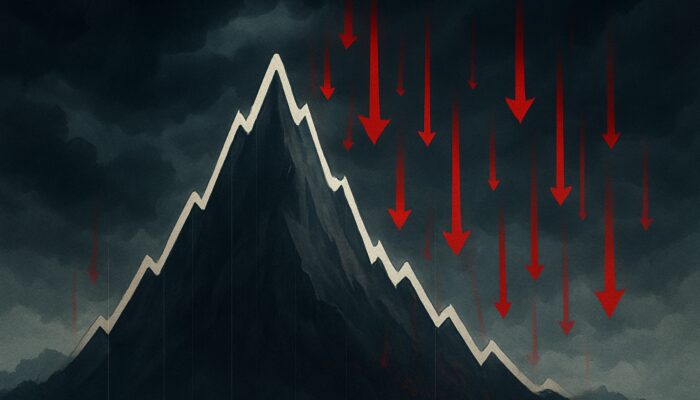
Understanding distribution phase signals is vital for traders and investors aiming to adeptly navigate market fluctuations. These signals illuminate changes in market dynamics, especially focusing on the interplay between supply and demand. The distribution phase is characterised by increasing selling pressure, typically following a notable price rise. By identifying these signals, traders can anticipate potential market reversals and adapt their strategies accordingly.
Key indicators of distribution phases involve heightened trading volume coupled with stagnant or declining prices. This trend indicates that sellers are becoming more active as buyer enthusiasm diminishes. Recognising these patterns enables traders to make informed decisions, effectively reducing risks associated with potential market declines. A thorough analysis of distribution signals can substantially enhance trading results.
It is essential to comprehend the psychological elements influencing market participants during distribution phases. Traders often react to perceived changes in market sentiment, which can amplify price volatility. By scrutinising these signals, traders can gain valuable insights into market behaviour, allowing them to refine their overarching trading strategies.
Lessons Learned from Historical Distribution Phases
Analysing previous distribution phases can provide traders with insights relevant to current market conditions. Historical patterns often repeat during transitional periods, enabling traders to effectively pinpoint potential signals in contemporary contexts. By studying past market events, traders can develop a framework for recognising distribution phases across various asset classes.
A notable case is the dot-com bubble of the late 1990s, where clear distribution signals emerged as stock prices surged before experiencing significant corrections. Examining the volume and price movements from that time can offer traders insights into how similar patterns may appear in today’s markets. Historical context acts as a powerful tool, allowing traders to make informed decisions based on past market behaviours.
Historical analysis can also reveal how external factors, such as economic indicators or geopolitical events, influence distribution phases. Acknowledging these influences enhances a trader's ability to forecast market shifts and adapt their strategies, ultimately leading to improved trading outcomes.
Essential Terminology for Understanding Distribution Phases
Familiarity with critical terminology is indispensable for accurately interpreting distribution phase signals. Terms such as “distribution,” “accumulation,” “volume,” and “price action” constitute the foundation for understanding market dynamics. Distribution denotes a selling phase where supply surpasses demand, often resulting in price declines.
The term “volume” is crucial, as it refers to the number of shares traded within a specific timeframe. A rise in volume during a price decline typically indicates strong selling pressure, characteristic of a distribution phase. Price action reflects how an asset’s price fluctuates over time, providing insights into market sentiment and potential reversals.
Understanding concepts like “support” and “resistance” aids traders in identifying critical price levels where movements may halt or reverse. Support levels signify areas where buying interest could resurface, whereas resistance levels indicate potential selling pressure. By mastering these terms, traders can effectively navigate the complexities of distribution phases and sharpen their analytical skills.
Effective Strategies for Identifying Distribution Signals

Identifying distribution phase signals requires various techniques to improve a trader's foresight regarding market reversals. One effective approach is to analyse volume trends in relation to price movements. An increase in volume during a price decline often indicates growing selling pressure, suggesting the onset of a distribution phase.
Chart patterns play a critical role in signal identification. Patterns such as head and shoulders or double tops frequently indicate potential trend reversals, especially when accompanied by heightened volume. Traders should familiarise themselves with these patterns and practise recognising them in real-time market scenarios.
Utilising technical indicators can enhance the ability to recognise signals. Indicators like the Relative Strength Index (RSI) or Moving Average Convergence Divergence (MACD) can further confirm distribution signals. By integrating various techniques, traders can improve their proficiency in spotting potential market reversals and refining their strategies.
Real-World Examples of Distribution Phase Signals
Exploring real-life instances of distribution phase signals can deepen the understanding of these concepts in active trading environments. For example, during the 2008 financial crisis, numerous stocks exhibited clear distribution signals as prices peaked, followed by sharp declines. Analyzing volume trends during this tumultuous period demonstrates how intensified selling pressure contributed to market downturns.
Another significant case is the rapid rise of technology stocks during the pandemic. Many of these stocks saw swift price increases, followed by distribution signals as volume surged while prices stabilised. Traders who recognised these signals were able to adjust their strategies, either minimising losses or capitalising on potential reversals.
Case studies of successful traders underscore the importance of recognising distribution phase signals. By employing techniques such as volume analysis and pattern recognition, these traders successfully anticipated market shifts, resulting in enhanced trading results. Learning from these examples offers invaluable insights for traders keen to refine their skills in identifying distribution phases.
Expert Perspectives on Distribution Phase Signals
Practical Techniques for Signal Detection

Professionals implement a range of methods to accurately detect distribution phase signals, concentrating on volume trends and price action as critical components. Traders often observe instances where increased volume coincides with price stagnation or declines, suggesting potential selling pressure. This observation serves as a compelling prompt to reassess positions and consider exiting trades before significant downturns occur.
Another effective strategy involves examining candlestick patterns. Traders analyse formations like bearish engulfing or shooting stars, which may signify a shift in market sentiment. By correlating these patterns with volume spikes, traders can enhance their signal detection capabilities and improve overall trading performance.
Utilising analytical software that evaluates historical data can aid in identifying patterns that precede distribution phases. These tools can highlight past instances of similar market behaviour, empowering traders to make informed decisions based on historical precedents. By integrating these methods, traders can refine their strategies and improve their capacity to detect distribution phase signals effectively.
Assessing the Reliability of Patterns
Experienced analysts acknowledge the importance of evaluating multiple confirming factors before acting on observed distribution phase signals. Relying solely on one indicator can lead to misunderstandings, as market conditions are influenced by various factors. For instance, a sudden increase in volume might not necessarily indicate a distribution phase; it could also reflect heightened interest due to positive news or earnings reports.
To enhance reliability, analysts often seek confluence among different indicators. For example, if a bearish candlestick pattern appears alongside rising volume and divergences in momentum indicators, it strengthens the argument for a distribution phase. This multifaceted approach reduces the likelihood of false signals and improves decision-making processes.
Considering broader market conditions is essential. Analysts should evaluate macroeconomic factors, sector performance, and overall market sentiment when interpreting distribution signals. By incorporating these elements into their analysis, traders can cultivate a more comprehensive understanding of market dynamics, leading to more informed trading choices.
Initial Steps for Evaluating Signals
To begin assessing distribution phase signals, traders should first scrutinise recent datasets. This involves analysing volume trends, price movements, and relevant technical indicators. By establishing a baseline of current market conditions, traders can identify deviations that may suggest a distribution phase.
Next, it is vital to cross-reference observed signals with established benchmarks for validation. For instance, traders can compare current volume levels against historical averages to determine if recent activity is unusual. This process aids in confirming whether the observed signals align with potential distribution patterns.
Keeping a trading journal can enhance the evaluation process. Recording observations, decisions, and outcomes enables traders to refine their strategies over time. By reviewing past trades and analysing the effectiveness of their signal recognition techniques, traders can continuously improve their approach to identifying distribution phase signals.
Understanding the Mechanics of Distribution Phase Analysis
Step-by-Step Breakdown of the Analysis Procedure
The analysis of distribution phase signals encompasses several sequential stages that guide traders from data collection to final signal confirmation. Initially, traders gather relevant data, including price charts, volume metrics, and technical indicators. This foundational step establishes a comprehensive understanding of market conditions.
Following data collection, traders assess volume trends alongside price movements. This stage involves identifying periods of increased volume during price stagnation or decline, which may suggest selling pressure. By recognising these trends, traders can begin to identify potential distribution phases and prepare for possible market reversals.
The concluding stage involves confirming identified signals through further analysis. Traders should seek confluence among various indicators, such as candlestick patterns and momentum oscillators. By validating observed signals with multiple confirming factors, traders can bolster their confidence in the analysis and make more informed trading decisions.
Tools for Enhancing Analysis Accuracy
Several software solutions and tools can improve the accuracy of distribution phase analysis by integrating multiple metrics. Charting platforms with advanced technical analysis features allow traders to effectively visualise price movements and volume trends. These tools often include customisable indicators, enabling traders to tailor their analysis to specific market conditions.
Algorithmic trading systems can process vast amounts of data in real time, identifying potential distribution signals based on predefined criteria. These systems can execute trades automatically, minimising the emotional aspects of trading while ensuring timely responses to market changes.
Utilising backtesting tools enables traders to evaluate the effectiveness of their strategies using historical data. By simulating past trades based on identified distribution signals, traders can assess potential outcomes and refine their approaches accordingly. Collectively, these tools enhance the precision of phase identification, minimising analytical errors.
Avoiding Common Analytical Mistakes
Traders must remain vigilant about common pitfalls that can lead to misinterpretations during distribution phase analysis. One significant risk is overlooking subtle shifts in market dynamics. Minor fluctuations in volume or price action may signal the emergence of distribution signals, and failing to recognise these can result in missed opportunities or unexpected losses.
Another frequent error is depending solely on one indicator for decision-making. While individual signals can provide valuable insights, they should not be the sole basis for trading decisions. Combining multiple indicators and confirming signals through various methods can enhance the reliability of analysis and reduce the chances of false positives.
Lastly, emotional biases can cloud judgment during distribution phase analysis. Traders may become overly attached to their positions, leading to hesitance in acknowledging distribution signals. Upholding discipline and adhering to a systematic approach can help mitigate these biases, ensuring that traders make informed decisions grounded in objective analysis rather than emotional reactions.
Recognising Common Signals During Distribution Phases
Examining Volume and Price Interactions
Investigating the relationship between volume and price movements is crucial for identifying distribution phases. A marked increase in volume during a price decline often signifies escalating selling pressure, indicating a potential distribution phase. Traders should closely monitor these correlations, as they can unveil underlying market dynamics that may not be immediately apparent.
For instance, if a stock experiences a volume surge while its price remains stagnant or declines, it may be undergoing distribution. This scenario suggests that sellers are becoming more active while buyers may be losing interest. Recognising these trends empowers traders to make timely decisions to exit positions before significant downturns occur.
Analysing volume patterns over time can provide deeper insights into market sentiment. Consistent high volume during price declines suggests a strong distribution phase, while sporadic spikes may reflect temporary selling pressure. Understanding these volume-price correlations enhances traders’ abilities to identify distribution phases and tailor their strategies accordingly.
Leveraging Momentum Oscillators
Momentum oscillators are valuable tools for gauging the strength behind price movements, revealing clues about sustainability and potential exhaustion points. Indicators such as the Relative Strength Index (RSI) and Stochastic Oscillator assist traders in identifying overbought or oversold conditions, which often precede distribution phases.
For example, an RSI reading above 70 may indicate that an asset is overbought, signalling a potential reversal. When combined with increased volume and bearish price action, this signal can suggest an impending distribution phase. Traders should consider these indicators as part of a broader analysis to confirm distribution signals.
Divergences between price movements and momentum oscillators can provide additional insights into potential distribution phases. If prices reach new highs while momentum indicators decline, it may indicate weakening buying pressure. Recognising these divergences enhances a trader’s ability to anticipate market reversals and adjust their strategies accordingly.
Assessing Support Levels
Evaluating support levels is essential for determining where selling pressure may amplify during distribution phases. Support levels represent price points where buying interest could re-emerge, while resistance levels indicate potential selling pressure. Understanding these dynamics helps traders pinpoint critical areas to monitor during distribution phases.
When a stock approaches a support level accompanied by increasing volume and bearish price action, it may signal a distribution phase. Traders should exercise caution in these scenarios, as a breach below support can trigger significant price declines. Monitoring support levels offers valuable insights into potential market reversals, aiding traders in making informed decisions.
Recognising the strength of support levels is crucial. A robust support level that holds during distribution may signify sustained buying interest, while a weak support level could indicate overwhelming selling pressure. By evaluating support levels alongside volume trends and price action, traders can enhance their ability to identify distribution phases and adjust their strategies accordingly.
The Benefits of Monitoring Distribution Phase Signals
Implementing Robust Risk Management Strategies
Regular monitoring of distribution phase signals enables traders to implement proactive risk management strategies. By identifying potential reversals early, traders can adjust their positions to minimise exposure during uncertain market conditions. This proactive approach substantially reduces the risk of significant losses during market downturns.
For instance, a trader recognising increasing selling pressure during a distribution phase might opt to exit positions or set stop-loss orders to safeguard their capital. By remaining attuned to market signals, traders can make informed decisions that align with their risk tolerance and overall trading strategies.
Grasping distribution signals also helps traders avoid emotional decision-making. When faced with potential losses, traders might feel compelled to cling to positions in the hope of a recovery. By recognising distribution signals, traders can maintain discipline and effectively execute their risk management strategies, leading to improved long-term performance.
Identifying Trading Opportunities
Timely recognition of distribution phase signals creates opportunities for advantageous trading aligned with emerging trends. By identifying potential reversals, traders can position themselves to benefit from price movements as the market transitions. This proactive approach can lead to more successful trading outcomes and enhanced portfolio performance.
For example, a trader who identifies a distribution phase might consider short selling an asset, profiting from the anticipated decline. Conversely, recognising a potential accumulation phase following distribution can offer opportunities to enter long positions at favourable prices. The ability to discern opportunities based on market signals significantly boosts a trader’s profitability.
Staying informed about market trends and developments can enhance the identification of opportunities. By monitoring relevant news, economic indicators, and sector performance, traders can align their strategies with overarching market movements. This comprehensive approach to opportunity identification fosters more informed trading decisions and improved outcomes.
Benefits for Effective Portfolio Management
- Improved timing for entering and exiting positions.
- Better entry points to capitalise on emerging trends.
- Reduced drawdowns during market downturns.
- Enhanced overall portfolio performance through informed decision-making.
- Increased confidence in trading strategies grounded in objective analysis.
Monitoring distribution phase signals offers numerous advantages for effective portfolio management. By refining timing, traders can enter and exit positions more efficiently, maximising potential profits while minimising risks. This proactive stance leads to superior overall performance and greater confidence in trading strategies.
Data-Driven Advantages of Distribution Phase Signals
Performance Metrics Supported by Research
Research indicates measurable enhancements in trading outcomes when incorporating distribution phase signals into systematic trading approaches. Studies reveal that traders actively monitoring these signals frequently achieve higher win rates and improved risk-reward ratios. By leveraging data-driven insights, traders can refine their strategies and elevate overall performance.
For instance, a study evaluating traders utilising volume and price action indicators found that those who integrated distribution signals achieved significantly superior results compared to those who did not. This data highlights the importance of embedding these signals into trading strategies for enhanced outcomes.
Ongoing analysis of performance metrics allows traders to identify patterns and refine their approaches over time. By tracking the effectiveness of their strategies in real-time, traders can make data-informed adjustments aligned with shifting market conditions, ultimately leading to improved performance.
Case Studies Demonstrating Practical Applications
Documented instances of successful use of distribution phase signals across various scenarios highlight the practical advantages of these concepts. During the 2020 market volatility triggered by the COVID-19 pandemic, many traders who identified distribution signals managed to exit their positions before significant declines, thereby preserving their capital and positioning themselves for future opportunities.
Another case study involves a trader who applied volume analysis to detect a distribution phase in a prominent tech stock. Recognising the signs of increased selling pressure, the trader successfully shorted the stock and profited from the subsequent decline. These real-world examples illustrate the tangible benefits of monitoring distribution phase signals across varying market conditions.
Insights from institutional investors emphasise the necessity of integrating distribution signals into broader trading strategies. Many successful funds actively monitor these signals to inform their trading decisions, illustrating the relevance of this analysis in professional trading contexts. By learning from these instances, individual traders can deepen their understanding of distribution phase signals and their practical applications.
Expert Opinions on Long-Term Effects
Consistent application of distribution phase signals cultivates refined trading strategies that evolve alongside changing market dynamics. Expert analysts stress the importance of ongoing learning and adaptation in response to market conditions. By integrating distribution signals into a long-term trading framework, traders can enhance their ability to navigate diverse market environments effectively.
For example, traders who regularly monitor distribution signals can identify shifts in market sentiment and adjust their strategies accordingly. This adaptability enables them to capitalise on emerging trends while minimising exposure to potential downturns. Over time, this approach can yield improved overall performance and greater confidence in trading decisions.
Maintaining a focus on long-term impacts encourages traders to develop a systematic approach to analysis. By embedding distribution signals into their trading plans, traders can create a framework that guides their decision-making processes. This structured approach enhances the reliability of their strategies and contributes to sustained success in dynamic market landscapes.
The Crucial Role of Timing in Distribution Phases
Aligning Actions with Market Cycles
Timing plays a pivotal role in distribution phases, as synchronising actions with market cycles enhances effectiveness and minimises the risk of premature or delayed responses. Markets operate in cycles, and recognising an asset’s position within these cycles can significantly influence trading outcomes. Understanding the timing of distribution phases allows traders to position themselves strategically.
For instance, entering a trade during the early stages of a distribution phase might lead to losses if the market subsequently declines. Conversely, delaying action can result in missed profit opportunities. Proper timing empowers traders to navigate these cycles efficiently, improving overall performance.
Synchronising with market cycles aids traders in identifying critical turning points. By recognising signs of distribution, traders can adjust their strategies to align with emerging trends, fostering more successful trading outcomes. This awareness of timing is essential for maximising gains while minimising risks.
Consequences of Delayed Responses
Delayed reactions to distribution phase signals can result in poor decisions that significantly erode potential gains. When traders fail to act promptly on identified signals, they may miss crucial opportunities to exit positions or adjust their strategies. This lack of responsiveness can lead to heightened losses and diminished overall performance.
For example, a trader aware of a distribution phase but hesitant to act could suffer substantial declines in their portfolio value. By postponing reactions, traders expose themselves to unnecessary risks and potential losses. Timely responses to distribution signals are essential for preserving capital and optimising trading outcomes.
The psychological effects of delayed reactions can complicate decision-making. Traders may experience increased anxiety or frustration while observing their positions decline, leading to impulsive decisions that exacerbate losses. By maintaining discipline and promptly acting on distribution signals, traders can mitigate these consequences and enhance their overall trading performance.
Advantages of Timely Actions
- Prevention of whipsaw effects that could lead to unnecessary losses.
- Opportunities to capture reversals early for maximum profit potential.
- Optimisation of exit strategies to secure gains before significant declines.
- Enhanced overall trading performance through timely decision-making.
Achieving precision in timing during distribution phases provides several critical advantages for traders. By avoiding whipsaw effects, traders can minimise losses and boost profitability. Early capture of reversals allows for maximising profit potential, while optimised exit strategies secure gains before significant declines occur.
Timely actions contribute to improved overall trading performance. By making informed decisions based on timely analysis of distribution phase signals, traders can navigate market dynamics more effectively and enhance their chances of success.
The Psychological Aspects of Timing Decisions
Psychological factors significantly influence timing decisions during distribution phases. Market psychology can lead traders to act too early or too late, driven by emotions such as fear or greed. These emotional responses can cloud judgment and result in suboptimal trading choices, highlighting the importance of maintaining discipline.
For instance, a trader might hesitate to exit a position during a distribution phase due to fear of missing out on potential gains. Conversely, they may panic and sell too quickly, prompted by fear of losses. Recognising these psychological influences is crucial for achieving precise timing and making informed decisions based on objective analysis.
Developing a trading plan that includes clear entry and exit criteria can help mitigate the impact of psychological influences. By adhering to a systematic approach, traders can reduce emotional decision-making and enhance their ability to respond effectively to distribution phase signals. This discipline is essential for achieving success in dynamic market environments.
The Significance of Volume Analysis
Analysing trading volumes offers critical insights into the strength of distribution phases, enabling more accurate timing of actions to maximise gains. Volume analysis allows traders to assess the intensity of buying and selling pressure, providing valuable context for interpreting price movements. Understanding volume dynamics is crucial for recognising potential market reversals.
For example, a sudden spike in volume during a price decline may suggest strong selling pressure, indicating a distribution phase. By examining these volume trends, traders can make informed decisions regarding when to exit positions or adjust their strategies. This proactive approach enhances their ability to navigate market dynamics effectively.
Volume analysis can assist traders in identifying key support and resistance levels. By understanding where significant buying or selling interest exists, traders can better anticipate potential price movements during distribution phases. This knowledge facilitates more accurate timing of actions, ultimately leading to improved trading results.
Advanced Strategies for Signal Interpretation
Methods for Integrating Multiple Factors
Integrating diverse inputs through multi-factor strategies establishes robust frameworks that elevate decision-making confidence. By analysing a variety of indicators, traders can achieve a comprehensive understanding of market dynamics, enhancing their ability to interpret distribution phase signals. This strategy minimises reliance on a single indicator, which may lead to misinterpretations.
For instance, combining volume analysis with momentum indicators and price patterns can yield a more nuanced perspective on market conditions. By identifying confluence among these factors, traders can strengthen their confidence in their analyses and make more informed decisions. This multi-faceted approach proves particularly valuable during distribution phases, where market dynamics can be complex.
Utilising software tools designed for multi-factor analysis can streamline the process. These tools typically facilitate the integration of various indicators, enabling traders to visualise relationships and identify potential distribution signals more effectively. By harnessing technology, traders can enhance their analytical capabilities and optimise their overall trading strategies.
Adjustments for Adaptive Trading Models
Flexibility in trading approaches is essential for adapting to evolving market conditions and maintaining relevance over time. As market dynamics shift, traders must be prepared to adjust their strategies to align with new realities. This adaptability is especially critical when analysing distribution phase signals, as market behaviour can change swiftly.
For example, a trader may need to revise their criteria for recognising distribution signals in response to changing market conditions. By continually assessing the effectiveness of their strategies, traders can refine their methods and enhance their ability to detect potential reversals. This commitment to flexibility is crucial for long-term success in dynamic markets.
Staying updated on market trends and developments can inform necessary adjustments. By monitoring relevant news, economic indicators, and sector performance, traders can align their strategies with broader market movements. This proactive approach to model adjustments strengthens traders’ capabilities in navigating distribution phases effectively.
Commitment to Continuous Learning
Ongoing education is vital for ensuring traders remain informed about emerging methodologies and advancements in distribution phase analysis. The financial markets are ever-changing, and traders must be willing to learn and adapt to new developments. By engaging in continuous learning, traders can enhance their analytical skills and improve their ability to identify distribution phase signals.
Participation in webinars, workshops, and industry conferences can offer valuable insights into the latest trends and techniques in trading. Reading relevant literature and following expert analyses can deepen traders’ understanding of market dynamics. This dedication to learning can significantly boost their trading performance.
Maintaining a trading journal can facilitate continuous learning. Documenting observations, decisions, and outcomes allows traders to reflect on their experiences and identify areas for improvement. By regularly reviewing their performance, traders can refine their strategies and enhance their ability to recognise distribution phase signals effectively.
Common Questions About Distribution Phase Signals
What do distribution phase signals indicate?
Distribution phase signals indicate shifts in the market, particularly when selling pressure increases, suggesting a potential market reversal. Recognising these signals assists traders in adjusting their strategies accordingly.
How can I recognise distribution phase signals?
Traders can recognise distribution phase signals by analysing volume trends, price movements, and technical indicators. Increased volume during price stagnation or declines typically suggests potential distribution.
Why is timing crucial in distribution phases?
Timing is crucial in distribution phases as it maximises effectiveness and reduces risks. Aligning actions with market cycles can lead to better trading outcomes and fewer losses.
What are common indicators of distribution phases?
Common indicators include correlations between volume and price, momentum oscillators, and assessments of support levels. These indicators assist traders in evaluating market sentiment and recognising potential reversals.
How can I mitigate risks during distribution phases?
Consistently monitoring distribution phase signals allows traders to implement proactive risk management strategies, such as exiting positions or setting stop-loss orders to protect capital.
What tools enhance distribution phase analysis?
Tools such as charting platforms, algorithmic trading systems, and backtesting software can improve the accuracy of distribution phase analysis by integrating various metrics.
What advantages arise from monitoring distribution phase signals?
Monitoring distribution phase signals offers benefits such as enhanced timing, better entry points, reduced drawdowns, and improved overall portfolio management.
How do psychological factors influence timing decisions?
Psychological factors, including fear and greed, can lead traders to act prematurely or too late during distribution phases. Maintaining discipline is crucial for achieving precise timing.
What common mistakes should I avoid during analysis?
Common mistakes include overlooking subtle changes, relying solely on one indicator, and allowing emotional biases to cloud judgment. A multi-faceted approach can enhance analysis reliability.
How can I improve my skills in recognising distribution phase signals?
Improving skills entails ongoing learning, participating in educational events, and maintaining a trading journal to reflect on experiences and refine strategies over time.
Discover our latest insights on Facebook!
The Article Distribution Phase Signals: Key Analysis Techniques Unveiled Was Found On https://limitsofstrategy.com
The Article Distribution Phase Signals: Unveiling Essential Analysis Techniques found first on https://electroquench.com