Master the Key Principles of the Stochastic Oscillator to Elevate Your Crypto Trading Success
What Is the Stochastic Oscillator and How Does It Operate Within Trading?
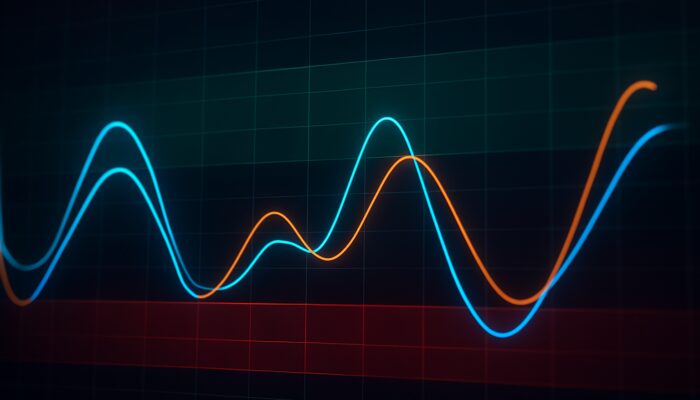

The stochastic oscillator serves as a crucial momentum indicator within the sphere of technical analysis, designed specifically for crypto trading. This powerful tool evaluates a designated closing price in relation to the broader price range over a specified timeframe. By doing so, it facilitates traders in identifying potential overbought or oversold market conditions. The oscillator employs important calculations, notably the %K and %D lines, which are vital for traders aiming to predict future market movements and make informed, data-driven choices based on market dynamics.
Grasp the Essential Components and Formulas Driving the Stochastic Oscillator
To fully comprehend how the stochastic oscillator operates, it is essential to familiarise oneself with its core components. The following elements play an integral role in the calculations that underpin its efficacy:
- %K line – This primary line signifies the current closing price relative to the entire price range.
- %D line – This line represents a smoothed average of the %K line, improving the clarity and reliability of trading signals.
- Smoothing factors – These techniques aim to reduce noise and enhance the precision of signals.
- Period settings – These are standard durations for calculations, typically varying from 14 to 21 days.
For example, the formula to compute the %K line is: %K = (Current Close – Lowest Low) / (Highest High – Lowest Low) * 100. Understanding these foundational concepts equips traders with the essential tools to analyse cryptocurrency price movements with increased accuracy and confidence.
How to Effectively Interpret Signals from the Stochastic Oscillator for Superior Trading Outcomes
Correctly interpreting the signals produced by the stochastic oscillator is vital for making sound trading decisions. Traders should pay attention to significant indicators like crossovers, where the %K line intersects the %D line, signalling potential entry or exit points. Additionally, divergences—situations where the price moves contrary to the oscillator—can indicate shifts in market momentum. To minimise the risk of false signals, traders should combine these indicators with supplementary analytical methods, thereby enhancing their decision-making skills even in unpredictable market conditions.
Delve into the Functional Dynamics of the Stochastic Oscillator to Sharpen Your Trading Skills

Understand the Fundamental Mechanics of the Stochastic Oscillator for Enhanced Trading Insight
The stochastic oscillator operates based on mathematical principles that effectively illustrate market momentum. By evaluating price momentum, it assesses price ranges over specified periods, enabling traders to accurately gauge market conditions. Through the comparison of the current closing price to historical price ranges, the oscillator generates vital buy and sell signals that are essential for traders aiming to exploit trends within the fast-paced cryptocurrency market.
Identify Key Influences on the Stochastic Oscillator's Accuracy in Trading
Numerous factors can significantly impact the accuracy of the stochastic oscillator within the context of crypto trading. For instance, market volatility can result in erratic price movements that may produce misleading signals. Additionally, the timeframe selected for analysis plays a crucial role in the reliability of the oscillator. Shorter timeframes may yield more signals but could amplify market noise, while longer durations may assist in filtering out notable trends. Recognising these elements is essential for traders striving to optimise their strategies and achieve precise entry and exit points in the ever-evolving trading landscape.
Adjust Settings and Modifications to Maximise the Utilisation of the Stochastic Oscillator
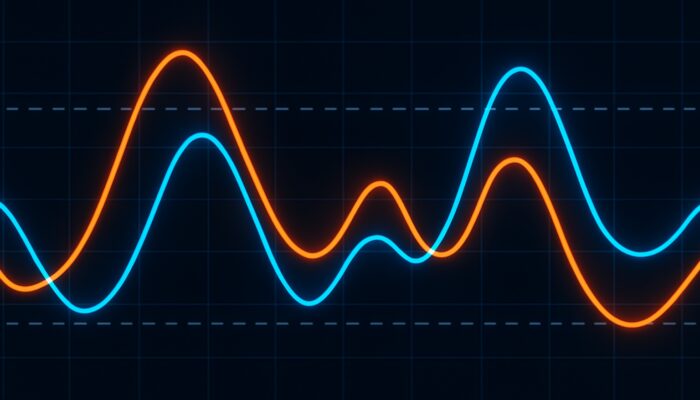
Traders commonly utilise standard settings for the stochastic oscillator, typically applying a 14-period for both the %K and %D lines. However, individual trading styles and the distinctive characteristics of specific assets may necessitate adjustments to these parameters. For example, day traders might prefer shorter periods to capture rapid price fluctuations, whereas long-term traders may choose extended periods to reveal overarching trends. Moreover, modifying the thresholds for overbought and oversold conditions can tailor the oscillator to align with specific market dynamics, enhancing its effectiveness across various trading scenarios.
How to Accurately Decode Buy and Sell Signals from the Stochastic Oscillator
Grasping how to interpret buy and sell signals generated by the stochastic oscillator is vital for effective trading in the cryptocurrency markets. Key indicators, such as overbought and oversold conditions, play a crucial role; typically, a reading exceeding 80 indicates overbought conditions, while a reading below 20 suggests oversold situations. Traders must also remain vigilant regarding crossovers—when the %K line crosses above the %D line, it may indicate a buying opportunity, whereas a crossover below could signal a selling opportunity. Recognising divergences can further enhance decision-making, especially in volatile markets where price reversals may occur frequently.
Acquire Comprehensive Insights into the Importance of the Stochastic Oscillator in Crypto Trading
Employ Advanced Analytical Techniques Utilised by Expert Traders
Experienced traders often enhance their crypto trading strategies by integrating the stochastic oscillator with additional indicators. For example, pairing this oscillator with moving averages can provide a more holistic view of market trends. A practical application involves using the oscillator in conjunction with the Exponential Moving Average (EMA) to validate buy and sell signals, thus improving accuracy and risk management. Such combinations can substantially strengthen trading strategies, empowering experts to navigate market volatility effectively and seize profitable opportunities.
Avoid Common Pitfalls When Professionally Utilising the Stochastic Oscillator
Even seasoned professionals encounter challenges when applying the stochastic oscillator. A frequent error is over-reliance on the indicator without considering the broader market context, which can lead to significant losses. To mitigate these risks, traders should engage in disciplined backtesting, scrutinising historical performance to refine their strategies. Additionally, integrating multiple indicators can help confirm signals, reducing the likelihood of being misled by false alarms. By addressing these common pitfalls, experts can achieve superior results in their trading efforts, thereby enhancing their overall effectiveness.
Strategies for Seamlessly Integrating the Stochastic Oscillator into Comprehensive Trading Systems
Successfully incorporating the stochastic oscillator into broader crypto trading systems necessitates a strategic approach. Traders should focus on recognising patterns, identifying recurring price formations that align with oscillator signals. Timing is also critical; understanding when to enter or exit a position based on oscillator readings can significantly enhance profitability. A holistic approach to market conditions empowers traders to dynamically adapt their strategies, creating robust trading frameworks that effectively respond to diverse market scenarios and conditions.
Customise the Stochastic Oscillator to Align with Crypto Market Dynamics
Tailoring the parameters of the stochastic oscillator is essential to address the unique volatility of various crypto assets. For instance, adjusting period settings to align with the trading patterns of specific assets can yield more accurate signals. Furthermore, employing smoothing techniques, such as using a moving average for the %D line, can further enhance signal clarity. By fine-tuning the oscillator to reflect market dynamics, traders can develop strategies that are responsive to the fast-paced environment of cryptocurrency trading.
Investigate Evidence-Based Benefits of the Stochastic Oscillator in Crypto Trading
What Makes the Stochastic Oscillator an Effective Tool for Trend Following?
The stochastic oscillator is recognised as a powerful trend-following instrument in the cryptocurrency markets, enabling traders to detect shifts in momentum. Real-world examples illustrate its efficacy; during bullish trends, an oscillator reading below 20 can signify a potential buying opportunity as prices retract. Studies on its predictive capabilities suggest it can indicate reversals earlier than many other indicators, allowing traders to capitalise on market movements with increased confidence. This proactive approach empowers traders to make informed decisions based on the current behaviour and trends within the market.
How Does the Stochastic Oscillator Improve Risk Management Strategies?
Incorporating the stochastic oscillator into risk management frameworks provides evidence-based advantages that can help minimise losses in crypto trading. For instance, early exit signals generated by the oscillator can assist traders in cutting losses before they escalate into significant issues. Implementing actionable measures, such as defining predetermined thresholds based on oscillator readings, encourages disciplined decision-making. By integrating the oscillator into risk management protocols, traders can navigate the unpredictability of crypto markets more effectively while safeguarding their investments.
Long-Term Advantages of Employing the Stochastic Oscillator for Comprehensive Market Analysis
Research indicates that the stochastic oscillator fosters disciplined trading habits, leading to long-term benefits in market analysis. By consistently interpreting signals accurately, traders can develop strategies that adapt to changing market conditions. This adaptability promotes sustained profitability and enhances traders’ ability to recognise and respond to shifts in market dynamics over time. Establishing a routine of regular analysis using the oscillator can ultimately contribute to more successful trading outcomes, reinforcing its significance in a trader's toolkit.
Comparative Performance of the Stochastic Oscillator Against Other Indicators
Research shows that the stochastic oscillator frequently outperforms other momentum indicators within the crypto trading landscape. Its ability to deliver earlier signals enables traders to refine their strategies for improved accuracy and profitability. For instance, when compared to the Relative Strength Index (RSI), the stochastic oscillator may provide clearer indications of potential reversals, particularly in volatile markets. These comparative advantages underscore the value of integrating the stochastic oscillator into trading frameworks, enhancing overall results and effectiveness.
How Does the Stochastic Oscillator Adapt to Highly Volatile Market Conditions?
The stochastic oscillator proves particularly effective in navigating the volatility inherent in cryptocurrency markets, assisting traders in identifying potential reversals amidst significant price fluctuations. Studies highlight its capacity to signal overbought and oversold conditions during tumultuous periods, allowing traders to make timely interventions. By leveraging the insights provided by the oscillator, traders can enhance their decision-making capabilities, achieving better risk-adjusted returns even in unpredictable market environments.
Practical Applications of the Stochastic Oscillator in Crypto Trading
How the Stochastic Oscillator Operates in Day Trading Scenarios
The stochastic oscillator plays a crucial role in day trading by delivering timely signals that are essential for short-term trades. Traders can implement signal confirmation techniques, such as waiting for the %D line to cross above the %K line before entering a position. This approach enhances timing and profitability in rapidly changing environments, allowing traders to effectively capitalise on swift price movements. The oscillator’s adaptability to short-term trends further underscores its importance in day trading strategies.
Effective Strategies for Merging the Stochastic Oscillator with Additional Trading Tools
Integrating the stochastic oscillator with other trading instruments can significantly enhance decision-making processes in the crypto market. For example, combining the oscillator with volume indicators can provide a more comprehensive understanding of market dynamics, confirming whether price movements are supported by robust trading activity. Similarly, pairing the oscillator with moving averages can clarify trends more effectively. Such a balanced approach fosters improved strategy development and execution, ultimately leading to superior trading outcomes and profitability.
Identifying Emerging Applications of the Stochastic Oscillator in Modern Trading
The applications of the stochastic oscillator in contemporary crypto trading are continually evolving. Emerging uses include:
- Volatility detection – Identifying potential price shifts amid market fluctuations.
- Scalping strategies – Utilising short-term signals for rapid gains.
- Integration into decentralised finance (DeFi) – Adapting the oscillator for innovative trading within DeFi markets.
- Risk assessment – Enhancing overall market analysis for informed decision-making.
Expert analysis suggests that leveraging these emerging applications can yield innovative trading strategies, amplifying the oscillator’s relevance in the rapidly shifting landscape of cryptocurrency markets.
Advanced Strategies for Maximising the Stochastic Oscillator's Effectiveness
Why Is It Essential to Customise Strategies for Different Cryptocurrencies?
Customising the stochastic oscillator for individual cryptocurrencies is vital to adapt to their distinct volatility and trading behaviours. For instance, Bitcoin may display unique price patterns compared to altcoins such as Ethereum or Ripple, necessitating personalised parameters to enhance trading effectiveness. By recognising these differences, traders can develop more nuanced strategies tailored to specific assets, significantly increasing their likelihood of success in the competitive crypto landscape.
How to Adapt Techniques to Evolving Market Conditions
As the cryptocurrency markets evolve, so too must the techniques employed with the stochastic oscillator. Adjusting the oscillator to reflect changing market conditions involves utilising flexible periods, allowing traders to modify their analyses based on recent price movements. This adaptability ensures continuous performance, enabling traders to remain responsive to fluctuations and seize emerging trends and opportunities. Ongoing learning and adaptation are critical for traders striving to excel in the dynamic world of cryptocurrency trading.
What Limitations Should Traders Consider When Using the Stochastic Oscillator?
Potential limitations of the stochastic oscillator in crypto trading include signal lag during prolonged trends, which may lead to traders missing critical entry or exit opportunities. Furthermore, the oscillator may produce misleading signals during periods of heightened volatility. To mitigate these challenges, traders should consider complementary methods, such as employing the oscillator alongside trend indicators or price action analysis. This balanced approach helps harness the strengths and weaknesses of diverse strategies, achieving more reliable trading outcomes.
What Is DCA (Dollar-Cost Averaging) In Crypto
How to Integrate the Stochastic Oscillator with Other Indicators for Optimal Performance?
Advanced integration of the stochastic oscillator with other indicators, such as the Relative Strength Index (RSI) or the Moving Average Convergence Divergence (MACD), can significantly increase signal accuracy in crypto trading. For instance, using the oscillator alongside the RSI can confirm prevailing market trends, thereby reducing the likelihood of false signals. This collaborative strategy facilitates more effective development of trading frameworks, enabling traders to make well-informed decisions, even amidst volatile market fluctuations.
How to Backtest and Optimise Stochastic Oscillator Parameters for Maximum Effectiveness?
Backtesting the stochastic oscillator against historical crypto data is a fundamental step for traders seeking to refine their strategies. By assessing past performance, traders can identify optimal parameters that align with market behaviour, thereby improving the effectiveness of the oscillator. However, caution is essential to avoid overfitting, which can lead to subpar performance in real-time trading scenarios. Achieving a balance between historical data analysis and current market trends is crucial for attaining sustained success in crypto trading.
Frequently Asked Questions About the Stochastic Oscillator and Its Applications
What Role Does the Stochastic Oscillator Play in Crypto Trading?
The stochastic oscillator assists in identifying overbought and oversold conditions, aiding traders in making informed decisions regarding entry and exit points in the cryptocurrency market.
How Is the Stochastic Oscillator Calculated?
The stochastic oscillator is calculated using the formula %K = (Current Close – Lowest Low) / (Highest High – Lowest Low) * 100, where the Lowest Low and Highest High are defined over a specified timeframe.
What Do the %K and %D Lines Indicate in Trading?
The %K line represents the current closing price in relation to its price range, while the %D line acts as a smoothed average of the %K line, providing clearer trading signals.
How Can Traders Leverage the Stochastic Oscillator for Enhanced Effectiveness?
Traders can effectively utilise the stochastic oscillator by monitoring crossovers and divergences, confirming signals with additional indicators, and adjusting parameters to suit specific market conditions.
What Are the Standard Settings for the Stochastic Oscillator?
Typical settings encompass a 14-period for both the %K and %D lines, although traders may modify these based on individual trading preferences and the asset's volatility.
Is the Stochastic Oscillator Suitable for Long-Term Trading Strategies?
Indeed, while the stochastic oscillator is often favoured for short-term trading, it can also be effectively employed in long-term strategies by adjusting the period settings to capture longer-term trends.
What Limitations Does the Stochastic Oscillator Present?
Limitations include potential signal lag during strong trends and the risk of generating false signals in highly volatile markets, necessitating the use of complementary indicators for improved accuracy.
How Does the Stochastic Oscillator Contribute to Risk Management Practices?
The stochastic oscillator supports risk management by providing early exit signals and indicating overbought or oversold conditions, enabling traders to effectively minimise potential losses.
What Advanced Strategies Involve the Stochastic Oscillator?
Advanced strategies encompass integrating the oscillator with other indicators, personalising settings for various cryptocurrencies, and employing adaptive techniques to adjust to shifting market conditions.
How Can I Backtest the Stochastic Oscillator for Enhanced Performance?
Backtesting the stochastic oscillator entails analysing historical price data to evaluate its performance, empowering traders to fine-tune parameters and enhance trading strategies for better outcomes.
Join Our Engaging Facebook Community for More Insights!
The Article Stochastic Oscillator Explained for Crypto Trading Was Found On https://limitsofstrategy.com
The Article Stochastic Oscillator: A Guide for Crypto Traders found first on https://electroquench.com