Discover the Importance of Regular Cholesterol Testing for Effective Heart Health Management
Why You Should Prioritise Consistent Cholesterol Testing for Your Health
Private Cholesterol Blood Test in Coventry: Maintaining regular cholesterol testing is fundamentally important for effective management of your heart health. By consistently monitoring your cholesterol levels, you can identify potential health concerns at an early stage, preventing them from escalating into severe health complications. In the UK, heart disease is one of the leading causes of mortality, making early detection through routine testing essential. Gaining insight into your cholesterol levels empowers you to make informed health choices, including necessary lifestyle adjustments or medical interventions to mitigate risks associated with heart diseases.
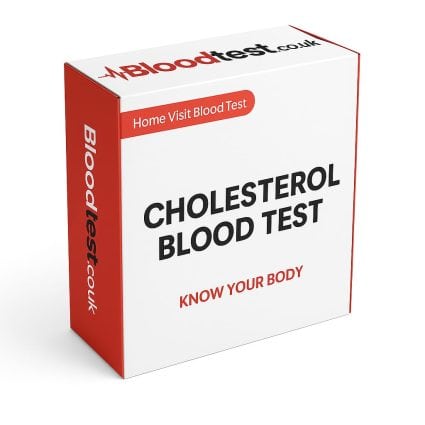

Moreover, ongoing cholesterol testing provides invaluable insights into the effectiveness of any lifestyle changes or medical treatments that you might have implemented. For instance, if your healthcare provider has recommended lowering your cholesterol, tracking your levels over time can clearly indicate your progress. Being informed about your cholesterol figures serves not only as a powerful motivator to maintain or enhance your health but also fosters a proactive approach to health management, which is essential in preventing serious health events such as heart attacks and strokes.
In-Depth Understanding of Cholesterol Levels and Their Implications for Health
The measurement of cholesterol levels is typically indicated in milligrams per decilitre (mg/dL) and is categorised into two main types: High-Density Lipoprotein (HDL) and Low-Density Lipoprotein (LDL). HDL is often termed the ‘good’ cholesterol as it facilitates the removal of other cholesterol types from the bloodstream, thus supporting a healthier cardiovascular profile. Conversely, LDL is known as the ‘bad’ cholesterol; it can lead to an accumulation of arterial plaque, significantly heightening the risk of cardiovascular disease.
During a cholesterol blood test, your healthcare provider typically assesses your total cholesterol, HDL, LDL, and triglycerides. Familiarising yourself with these values is crucial for effective health management. For example, a desirable HDL cholesterol level is generally considered to exceed 60 mg/dL, while LDL should ideally remain below 100 mg/dL. By comprehending these vital benchmarks, you can engage in meaningful conversations with healthcare professionals, empowering yourself to take control of your health journey.
How Often Should You Schedule Cholesterol Level Tests?
The recommended frequency of cholesterol testing is influenced by individual risk factors, age, and results from previous tests. Generally, adults are advised to start annual testing around the age of 40, especially if they possess additional risk factors such as obesity, a family history of heart disease, or a sedentary lifestyle. If your results indicate borderline or elevated cholesterol levels, your physician may recommend more frequent testing to monitor fluctuations effectively over time.
For younger adults and those without significant risk factors, testing every five years may be sufficient. Nevertheless, it is essential to consult your GP for personalised advice based on your health history. The ultimate objective is to embrace a proactive stance towards heart health by making cholesterol testing a regular and integral part of your healthcare routine.
The Benefits of Early Detection of Cholesterol-Related Issues
The benefits of identifying elevated cholesterol levels early are immensely significant. Early detection of high cholesterol allows individuals to take necessary actions that can potentially prevent severe health complications such as heart disease and strokes. When healthcare providers identify cholesterol levels early on, they can recommend lifestyle changes or medications aimed at effectively lowering these levels.
Additionally, the psychological advantages of being aware of your cholesterol status can be profound. Individuals often feel empowered by this knowledge, prompting them to adopt healthier dietary choices, engage in regular physical activities, and initiate other beneficial lifestyle modifications. This proactive approach not only improves heart health but also instills accountability in managing one’s long-term well-being.
Finding Cholesterol Blood Test Services in Coventry

Accessing Cholesterol Testing Services Through Local NHS Providers
In Coventry, local NHS services provide a practical and accessible approach to obtaining cholesterol tests. These tests are typically offered free of charge, enabling residents to monitor their health without incurring financial burdens. To take advantage of these services, you can begin by consulting your GP or visiting a nearby health centre.
Many GP practices organise routine health check-up days, where patients can come in for blood tests, including cholesterol testing. Occasionally, these services extend to community health fairs, where healthcare professionals set up booths to facilitate screenings and offer valuable health information. It is advisable to check online or contact your local health centre to confirm availability and schedule an appointment.
Exploring Private Clinics for Quick Cholesterol Testing in Coventry
For those seeking a more immediate alternative, a number of private clinics in Coventry offer cholesterol testing with prompt turnaround times, often within 24 hours. These clinics provide the added advantage of confidentiality and a more personalised service, catering to patients who may feel uncomfortable in larger NHS environments.
Facilities such as Nuffield Health and other reputable private healthcare providers offer a variety of cholesterol tests alongside comprehensive consultations. Importantly, these private services can also provide tailored advice based on your specific health needs, ensuring that you not only receive quick results but also gain a thorough understanding of their implications.
Utilising Mobile Health Services for Convenient Cholesterol Testing
Mobile health services represent an innovative initiative that periodically visits neighbourhoods across Coventry, making cholesterol testing accessible to all community members. These units set up temporary health clinics in public spaces, such as parks or community centres, as part of broader health initiatives aimed at raising awareness about heart health.
Individuals can greatly benefit from the convenience these mobile units provide, especially those who encounter challenges in accessing traditional healthcare facilities. It is advisable to keep an eye on local council announcements or social media for updates regarding when these mobile services will be operating in your vicinity.
Cholesterol Testing Options Available at Local Pharmacies
Numerous pharmacies in Coventry offer cholesterol testing, presenting yet another convenient option for residents. Some pharmacies require appointments, while others welcome walk-ins. The tests are generally straightforward and can be conducted within a few minutes.
Local pharmacy chains, such as Boots and Lloyds, frequently run health promotions that include cholesterol testing as part of their services. It is worthwhile to inquire with your local pharmacist about available options, as they can not only conduct the tests but also offer immediate advice on results and the appropriate next steps.
Workplace Health Programs Featuring Cholesterol Testing Initiatives
Progressive employers in Coventry increasingly recognise the significance of employee health, often incorporating cholesterol testing into their workplace health programmes. These initiatives may encompass health fairs, wellness days, or ongoing health assessments, including cholesterol screenings.
If you work for an organisation that offers such benefits, it is advisable to reach out to your HR department for details on participation. This approach not only promotes a culture of health in the workplace but also demonstrates your employer’s commitment to your long-term well-being.
Expert Insights on Cholesterol Blood Tests Available in Coventry
Success Stories Highlighting Effective Cholesterol Management
Real-life success stories often resonate more deeply than mere statistics; they illustrate the transformative power of routine testing and proactive health management. One Coventry resident, Jane, discovered during a routine check that her cholesterol levels were elevated. Motivated by this revelation, she embarked on a dedicated journey of dietary modifications and regular exercise.
Within six months, her follow-up test revealed a significant improvement in her cholesterol levels, consequently reducing her risk of heart disease. Jane’s success story exemplifies the numerous instances in Coventry where residents have taken charge of their health through regular testing and lifestyle changes. Such testimonials emphasise the importance of engaging with healthcare services and the positive impact they can have on overall health.
Practical Steps for Achieving Effective Cholesterol Management
Effectively managing cholesterol levels is achievable through thoughtful lifestyle modifications. Here are some actionable steps to consider:
- Incorporate a diverse range of fruits and vegetables into your daily meals.
- Select whole grains instead of refined grains to maximise nutrient intake.
- Choose lean protein sources such as fish, chicken, and legumes.
- Limit saturated and trans fats, which are commonly found in processed foods.
- Engage in regular physical activity, aiming for a minimum of 150 minutes of moderate-intensity exercise each week.
- Maintain a healthy weight, as shedding excess pounds can improve cholesterol levels.
- Avoid smoking and limit alcohol consumption for better overall health.
- Consult with a healthcare provider regarding potential medications if lifestyle changes alone are insufficient.
Implementing these lifestyle changes can lead to substantial improvements in cholesterol management and overall heart health.
Expert Analysis on Understanding Your Cholesterol Test Results
Grasping the meaning of your cholesterol test results is crucial for effective health management. Typically, your results will encompass several key figures: total cholesterol, HDL, LDL, and triglycerides. Here’s a breakdown of what to look for:
- Total Cholesterol: Ideally, below 200 mg/dL.
- HDL (Good Cholesterol): Ideally above 60 mg/dL.
- LDL (Bad Cholesterol): Should ideally remain below 100 mg/dL.
- Triglycerides: Should ideally be under 150 mg/dL.
Once you have your results, compare them against these guidelines. If any numbers fall outside the recommended ranges, it’s crucial to discuss with your healthcare provider the steps required to improve your cholesterol profile. Understanding these figures empowers you to take proactive control of your heart health.
What Are the Key Benefits of Regular Cholesterol Testing?
Early Detection of Potential Health Complications
Regular cholesterol testing acts as an early warning system for potential health complications. Elevated cholesterol levels often show no symptoms, making testing critical for early intervention. By staying informed about your cholesterol status, you can proactively address any abnormalities, significantly reducing the risk of heart disease and strokes.
For example, a patient in Coventry who consistently monitored their cholesterol noticed an upward trend early on. This allowed them to consult with their healthcare provider and implement necessary lifestyle changes before any serious health concerns arose. Regular testing, therefore, plays an indispensable role in preserving long-term health.
Monitoring Progress and Evaluating Treatment Effectiveness
Regular cholesterol testing provides a valuable opportunity to track progress over time. Individuals actively working to lower their cholesterol through lifestyle changes or medications can see the results of their efforts reflected in their test outcomes. Such monitoring not only confirms effectiveness but also inspires adherence to health improvement strategies.
For instance, a Coventry resident who began a weight-loss journey might discover their cholesterol levels improving as they shed pounds and adopt healthier eating habits. Regular tests can reinforce the positive changes being made, creating a virtuous cycle where improved health leads to sustained commitment.
How Can Cholesterol Awareness Inspire Positive Lifestyle Changes?
Knowledge is empowering, particularly when it comes to health. Understanding your cholesterol levels can motivate you to make healthier lifestyle choices. Many individuals report feeling inspired to alter their diets, increase physical activity, and even quit smoking upon learning their cholesterol status.
For instance, being aware of elevated cholesterol might encourage you to substitute fried foods with baked alternatives or commit to a daily walking routine. The awareness fostered through regular testing can drive meaningful changes, empowering individuals to take ownership of their health journey.
Essential Preparation Steps for a Cholesterol Blood Test
Understanding Fasting Requirements for Accurate Cholesterol Testing
Preparing for a cholesterol blood test usually involves fasting for 9-12 hours prior to the test. During this fasting period, no food or drink should be consumed except for water to ensure precise results. Fasting helps eliminate short-term dietary influences on your cholesterol levels, providing a clearer view of your baseline health.
It is advisable to schedule your test early in the morning following an overnight fast; this way, you avoid the temptation to eat beforehand. Proper preparation significantly enhances the reliability of your results and gives you a better understanding of your cholesterol health.
Medications to Avoid Before Your Cholesterol Test
Certain medications can affect cholesterol levels, making it essential to consult with your healthcare provider before your test. Some cholesterol-lowering medications may artificially alter results, complicating the accurate assessment of your actual levels. Your doctor may recommend continuing or pausing certain medications to ensure the test’s accuracy.
Be open and honest with your healthcare provider about your entire medication regimen, including over-the-counter drugs and supplements, as these can also impact your results. Adequate preparation ensures you are well-informed about your cholesterol health.
What to Expect During Your Cholesterol Blood Test Procedure
A cholesterol blood test is a straightforward procedure usually involving a simple blood draw from your arm. The process is quick and generally causes minimal discomfort. After the blood draw, the sample is sent to a laboratory for analysis, with results often available within a few days.
While waiting for your test results, it’s natural to feel anxious. However, recognising that this is a routine procedure can help alleviate your concerns. Many Coventry residents report that the test is far less daunting than anticipated, making it an essential step towards improved health.
Selecting the Optimal Time for Your Cholesterol Test
Choosing an appropriate time for your cholesterol test can influence the accuracy of your results. It is best to schedule your test in the morning after an overnight fast. Additionally, it is advisable to avoid scheduling your test immediately following an illness or significant dietary changes, as these factors could skew your results.
By strategically planning your test timing, you can ensure that the results accurately reflect your typical lifestyle. These careful considerations contribute to a more precise understanding of your cholesterol health.
Mental Preparation for Your Cholesterol Test
Mental preparation for a cholesterol blood test is as important as physical preparation. Many individuals experience anxiety leading up to the test, contemplating the results and their potential implications. Familiarising yourself with the procedure can significantly reduce anxiety levels.
Consider bringing a book, music, or another form of distraction to keep your mind occupied while you wait. Remember, this is a routine procedure that many Coventry residents undergo, and knowing about the test can help you feel more in control, making the experience more manageable.
Decoding and Understanding Your Cholesterol Test Results
What Do the Numbers in Your Test Results Represent?
Cholesterol test results can initially seem intimidating, but breaking them down into understandable components can simplify interpretation. You will typically receive four key numbers: total cholesterol, HDL, LDL, and triglycerides. Each of these figures plays a critical role in assessing your heart health.
Total cholesterol measures overall cholesterol and should ideally be below 200 mg/dL. HDL, often referred to as ‘good cholesterol,’ should ideally be above 60 mg/dL, while LDL, known as ‘bad cholesterol,’ should remain below 100 mg/dL. Triglycerides should ideally stay under 150 mg/dL. Familiarity with these numbers can clarify your heart health status and indicate potential next steps.
How to Effectively Interpret Your Results
Interpreting your cholesterol results involves comparing them against established ranges to determine your cholesterol health status. Generally, if your total cholesterol is below 200 mg/dL, you are within a desirable range. Elevated LDL levels may signal a need for lifestyle modifications or further medical evaluation.
Your healthcare provider will assist you in understanding what your results mean and what steps to take next. Engaging in open dialogue with your provider regarding your results is vital, as it empowers you to make informed decisions about your health.
What Actions Should You Take Based on Your Cholesterol Results?
Depending on your test results, several actions may be necessary to manage your cholesterol effectively. These actions may include:
- Implementing dietary changes to incorporate more healthy fats while reducing saturated fats.
- Increasing physical activity by aiming for at least 150 minutes of moderate exercise weekly.
- Discussing potential medications with your healthcare provider if lifestyle changes alone do not suffice.
- Scheduling follow-up tests to monitor progress over time.
- Joining community health programmes that focus on heart health.
- Seeking support from friends or family to help maintain motivation.
- Consulting with a nutritionist for personalised dietary advice.
- Educating yourself about heart health to stay engaged in your well-being.
Taking these actions can significantly enhance your cholesterol management and overall health.
Effective Lifestyle Changes for Managing Cholesterol Levels
Implementing Dietary Adjustments for Improved Heart Health
Making appropriate dietary adjustments is vital for effectively managing cholesterol levels. Incorporating more fruits, vegetables, whole grains, and lean proteins into your meals can contribute to better heart health. Conversely, reducing saturated and trans fats in processed foods is equally important for lowering LDL cholesterol.
Consider adopting these recommendations for heart-healthy choices:
- Choose oatmeal or whole grain cereals for breakfast.
- Include a variety of leafy greens and colourful vegetables in your meals.
- Select lean protein sources such as fish, skinless poultry, and beans.
- Incorporate healthy fats, such as those found in avocados and olive oil.
Adopting these dietary changes can be transformative, resulting in improved cholesterol levels and enhanced overall well-being.
The Importance of Regular Exercise and Physical Activity
Regular physical activity plays a pivotal role in raising HDL cholesterol while lowering LDL cholesterol. Health authorities recommend at least 150 minutes of moderate exercise each week to maximise heart health benefits.
Activities such as brisk walking, cycling, swimming, or group classes can all positively impact cholesterol management. Integrating movement into your daily routine can be straightforward—consider taking the stairs or going for a walk during your lunch break.
The Impact of Quitting Smoking on Cholesterol Levels
The negative impact of smoking on cholesterol levels can be substantial. Quitting smoking can improve HDL cholesterol levels and overall heart health. The benefits of cessation extend beyond cholesterol; they also reduce the risk of cardiovascular disease and enhance lung function.
If you’re contemplating quitting smoking, explore the resources and support groups available in Coventry that can offer encouragement and effective strategies. While the journey may be challenging, the health benefits are indeed worth the effort.
Proven Strategies for Cholesterol Blood Testing in Coventry
Building a Strong Relationship with Your Healthcare Providers
Establishing a good rapport with your GP or healthcare provider in Coventry is crucial for achieving optimal health outcomes. Regular consultations foster a relationship where you feel comfortable discussing health concerns related to cholesterol management.
Don’t hesitate to ask questions and voice any concerns you may have regarding your test results or overall health. The more actively engaged you are with your healthcare provider, the more personalised your care can be, empowering you to take charge of your health journey.
Maximising Community Resources for Health Education
Coventry is home to a wealth of community resources dedicated to health education and support. Workshops, seminars, and local support groups can provide invaluable insights into cholesterol management and heart health.
Participating in these resources not only enhances your understanding but also connects you with others who share similar health objectives. By engaging in community initiatives, you can stay informed about the latest health trends and recommendations.
Maintaining a Comprehensive Health Data Record
Keeping a personal health record of your cholesterol tests and related health metrics is essential for effective health management. Documenting your cholesterol levels, dietary habits, and physical activity can help you identify patterns and stay committed to your health goals.
A personal health record provides a comprehensive view of your progress and enables informed discussions with your healthcare provider. This proactive approach can improve health outcomes and foster a sustained commitment to a healthier lifestyle.
Frequently Asked Questions About Cholesterol Testing
What does a cholesterol blood test measure?
A cholesterol blood test measures the levels of cholesterol and triglycerides in your blood to assess your risk of heart disease.
How often should I get my cholesterol tested?
Adults should consider cholesterol testing at least every five years, but those with risk factors may need more frequent checks.
What do elevated cholesterol levels indicate?
High cholesterol levels can indicate an increased risk of heart disease and stroke, necessitating lifestyle changes or medical interventions.
Can I eat before a cholesterol test?
Most cholesterol tests require fasting for 9-12 hours beforehand, so eating or drinking anything other than water is not recommended.
What steps can I take to lower my cholesterol levels?
You can lower your cholesterol through a healthy diet, regular exercise, maintaining a healthy weight, and quitting smoking.
Are there any medications available for high cholesterol?
Yes, several medications, including statins, can help lower cholesterol levels, but they should be discussed with your doctor.
How long does it take to receive cholesterol test results?
Results from a cholesterol blood test are typically available within a few days of sample collection.
Is cholesterol testing a painful process?
A cholesterol test involves a simple blood draw from your arm and may cause minimal discomfort for a few moments.
What foods should I avoid to manage cholesterol effectively?
You should limit saturated fats, trans fats, and foods high in cholesterol, such as red meat, full-fat dairy, and processed snacks.
Can exercise truly aid in cholesterol management?
Yes, regular physical activity can help raise HDL (good) cholesterol levels and lower LDL (bad) cholesterol, significantly improving heart health.
Connect with us on Facebook!
This Article Was First Found On https://bloodtest.co.uk
The Article Cholesterol Blood Test: Essential Health Guide for Coventry Residents Was Found On https://limitsofstrategy.com
The Article Cholesterol Blood Test: Vital Health Guide for Coventry Locals found first on https://electroquench.com