Explore the Vital Importance of Electronics Recycling for UK Clearances
Why Is the Process of Electronics Recycling Essential in the UK?

Recycling electronics during UK clearances plays an indispensable role in safeguarding the environment and fostering sustainable practices. By effectively managing electronic waste, we conserve precious resources, significantly diminish our reliance on raw materials, and curtail pollution. Campaigns spearheaded by the Environment Agency’s e-waste initiatives have successfully heightened public awareness and boosted recycling rates across the nation, resulting in a measurable and beneficial impact on our ecosystems.
By diverting e-waste from landfills, the UK is effectively confronting the escalating challenge of electronic waste, thus ensuring the recovery and reuse of valuable metals and components. This approach not only contributes to a more sustainable economy but also shields local ecosystems from hazardous substances that could infiltrate our soil and waterways. The collaborative efforts of various organisations exemplify the UK’s dedication to responsible electronic waste management, paving the way for a healthier planet for future generations.
How to Effectively Identify Key Components for Responsible Electronics Recycling?
Identifying specific components within electronic devices, such as batteries and circuit boards, is crucial for ensuring safe disposal during UK clearances. Batteries, in particular, can pose significant environmental hazards if not disposed of properly due to their toxic contents. To adhere to local waste regulations, households should follow actionable steps. It is essential to consult the detailed disposal instructions provided by local councils, as these guidelines can differ widely across areas.
Utilising local resources, including designated collection points or community recycling events, can greatly enhance safe disposal practices. Furthermore, residents should take the initiative to educate themselves on recognising hazardous materials and ensure that any items containing heavy metals or chemicals are disposed of responsibly. By taking these proactive measures, households not only comply with regulations but also contribute to a larger movement towards sustainable waste management practices throughout the UK.
What Challenges Arise During UK Clearance Processes?
A significant challenge encountered during UK clearance processes is the build-up of outdated electronic devices cluttering homes, complicating recycling efforts. Many individuals face difficulties in responsibly disposing of these items, often resulting in improper disposal practices. To address these challenges, fostering a culture of proactive recycling is of paramount importance.
Expert analysis indicates that implementing a strategic approach for managing outdated devices is essential, including categorising them based on their condition and potential for reuse. For example, partnering with local charities that accept functioning devices can help reduce waste while supporting community initiatives. Additionally, educating homeowners about the importance of systematic and organised recycling can greatly enhance the effectiveness of electronics clearance efforts.
What Government Initiatives Are Actively Supporting Electronics Recycling in the UK?

The UK government has made significant strides in promoting electronics recycling through initiatives such as the Waste Electrical and Electronic Equipment (WEEE) regulations. These regulations not only advocate for proper disposal practices but also fund awareness campaigns to educate the public on the importance of recycling. Residents benefit from a comprehensive network of free collection points nationwide, simplifying the responsible disposal of their electronic waste.
Moreover, government efforts include providing incentives for residents who engage in recycling programmes, fostering a more sustainable approach to waste management. By establishing a framework that supports both individuals and businesses, the UK is advancing towards a future where responsible electronics recycling is the norm rather than the exception.
What Future Trends Are Influencing Electronics Recycling and Their Impact on UK Clearances?
As the domain of electronics recycling evolves, several emerging trends are poised to shape the future of clearance processes in the UK. Notably, the integration of AI-driven sorting technologies is expected to revolutionise the processing of electronic waste. By enhancing the efficiency and accuracy of recyclable material identification, these technologies can significantly alleviate the burden on clearance efforts across the nation.
Furthermore, the shift towards a circular economy underscores the importance of extending product lifespans through innovative recycling programmes. Households can actively participate in this transition by adopting reusable technology and supporting local initiatives focused on refurbishing and repurposing outdated devices. By staying informed about these trends, residents can align their disposal practices with the evolving sustainability landscape in the UK.
What Expert Recommendations Should Be Followed for Recycling Electronics During UK Clearances?
Which Best Practices Do UK Recycling Experts Recommend?
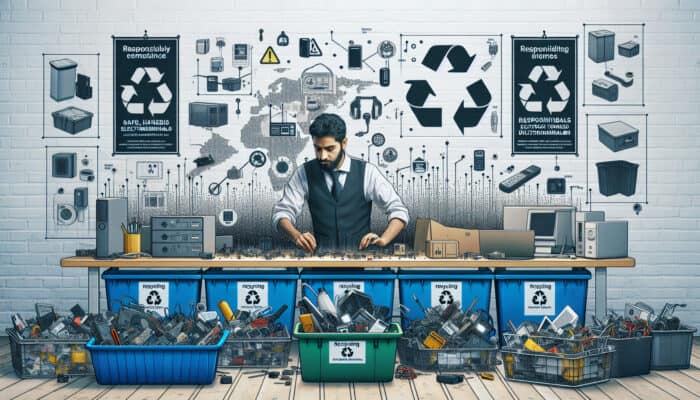
UK specialists advocate several best practices for effectively sorting electronics during clearances, particularly emphasising the identification and safe management of hazardous materials. For instance, initiatives like Recycling Lives illustrate how expert guidance can streamline the recycling process, ensuring that hazardous components are treated correctly.
A practical strategy involves designating a specific area within the home for electronics awaiting recycling while maintaining a separation between hazardous items and general waste. This practice not only aids in complying with local regulations but also maximises the chances of successful recycling. Engaging with local recycling initiatives further enhances understanding and implementation of these best practices, nurturing a culture of responsible electronics disposal.
How Can Advanced Techniques Improve Effective Recycling Practices?
In the realm of electronics recycling, UK facilities are increasingly adopting advanced techniques to enhance efficiency and effectiveness, particularly through specialised tools for material recovery. Emphasising energy recovery during the recycling process is becoming more prevalent, with facilities aiming to extract maximum value from discarded electronics.
Professional clearers should consider investing in staff training that focuses on the latest recycling technologies and methodologies. This investment not only optimises recycling efficiency but also ensures materials are processed in accordance with evolving environmental standards. By adopting these advanced techniques, clearers can significantly improve their overall recycling outcomes, contributing to a more sustainable future.
How Can We Assess Progress in UK Recycling Efforts?
Monitoring the progress of recycling initiatives in the UK is crucial for advancing waste management strategies. Conducting regular audits allows organisations to track success rates and identify areas needing improvement. Metrics, such as the volume of materials recycled and the reduction in landfill contributions, serve as essential indicators of success.
Experts underscore the importance of data trends in shaping future recycling programmes. Through comprehensive assessments, stakeholders can refine their strategies to ensure they remain effective and environmentally responsible. This ongoing evaluation fosters a culture of accountability and innovation within the UK recycling sector, driving continuous improvements.
What Actions Can UK Residents Take to Effectively Recycle Electronics During Clearances?
What Key Steps Should Individuals Follow in the UK?
For UK residents aiming to recycle their electronics responsibly during clearances, adhering to fundamental procedures is essential. The first step involves identifying local drop-off points specifically designated for electronic waste recycling. This information is typically available on local council websites, which provide clear guidelines regarding accepted items and collection schedules.
Next, residents should ensure that all devices are adequately prepared for recycling by removing any batteries or components that require separate disposal. Participating in community recycling events can also be advantageous for managing electronics, as these gatherings often provide additional resources and support for responsible disposal practices.
How to Identify Appropriate Recycling Centres for Electronics in the UK?
Locating certified recycling centres is crucial for guaranteeing the safe and effective disposal of electronic waste. Certified facilities across the UK offer a diverse range of services, including secure collection, processing, and recycling of electronics. Accessibility is a vital factor, so residents should seek local centres that are easily reachable.
- Convenient drop-off locations
- Comprehensive recycling services
- Expertise in handling hazardous materials
- Community engagement initiatives
- Clear certification and compliance with regulations
- Offers for refurbishing and reselling
- Support for responsible disposal
By selecting the right recycling centres, residents can ensure that their electronics are disposed of in a manner that meets environmental standards while promoting sustainability within their communities.
What Techniques Ensure Safe Handling of Fragile Components?
A crucial aspect of recycling electronics involves the careful handling of fragile components, including screens and wires, to prevent damage. Implementing proper techniques can significantly minimise waste and enhance recycling outcomes. For instance, individuals should handle devices with care, avoiding dropping or applying excessive pressure, particularly on screens.
Utilising protective packaging, such as bubble wrap or padded boxes, is advisable when transporting fragile items to recycling centres. This precaution not only safeguards the components during transit but also ensures they arrive at recycling facilities in a suitable condition for processing. By adopting these measures, residents can contribute to a more effective recycling process while protecting valuable materials.
Why Is Data Security and Erasure Crucial Before Recycling?
Data security is an utmost priority for both individuals and businesses planning to recycle electronics in the UK. Before recycling, it is crucial to erase all personal information from devices to comply with GDPR regulations. This can be accomplished through methods such as factory resets, specialised data-erasure software, or certified data destruction services.
Implementing these practices not only helps prevent identity theft but also ensures that individuals take responsibility for their data privacy throughout the recycling process. By prioritising data security, residents enhance the overall safety and trustworthiness of electronics recycling, emphasising the importance of responsible waste management.
What Environmental Benefits and Incentives Are Associated with Recycling in the UK?
Recycling electronics in the UK offers numerous environmental benefits, significantly reducing e-waste, conserving valuable resources, and lowering pollution levels. Engaging in recycling initiatives supports broader sustainability goals and encourages eco-friendly practices among residents. The government also provides various incentives, such as tax rebates or vouchers, for proper disposal, further motivating individuals to participate in responsible recycling practices.
By taking part in these initiatives, residents can lessen their carbon footprints and contribute to a circular economy that prioritises material reuse. This collective effort towards sustainability not only protects the environment but also fosters a culture of environmental responsibility within communities across the UK. Recognising the environmental advantages of recycling empowers individuals to support these vital initiatives.
What Common Methods Are Employed for Electronics Recycling in the UK?
Why Is Shredding a Favoured Method Among UK Recyclers?
Shredding has emerged as a preferred method among UK recyclers, primarily due to its capacity to securely break down electronic devices into manageable pieces. This process not only simplifies sorting and processing but also guarantees that sensitive materials are rendered unusable, thereby enhancing data security.
Furthermore, shredding complies with stringent UK regulations for electronic waste disposal, facilitating the recovery of valuable metals while minimising the total volume of waste directed to landfills. This method exemplifies a commitment to responsible recycling practices and encourages other facilities to adopt similar strategies, thereby enhancing the overall effectiveness of electronics recycling throughout the UK.
What Refurbishing Options Are Available for Electronics in the UK?
Refurbishing presents a sustainable alternative for repurposing electronics in the UK, restoring and reusing devices instead of discarding them. Numerous initiatives and organisations focus on refurbishing electronics, providing community members with access to affordable devices while minimising overall e-waste.
Programs such as Tech Trust and local charity shops have played a pivotal role in promoting refurbishing as a viable option for many electronics. These organisations not only help reduce e-waste but also support local economies and community initiatives, clearly illustrating how refurbishing can significantly enhance sustainable waste management practices.
How to Seamlessly Integrate Recycling into Everyday UK Clearance Routines?
Integrating electronics recycling into daily clearance routines can greatly improve overall waste management strategies in the UK. Simple practices, such as designating specific bins for electronics within homes and businesses, can streamline the process and promote responsible disposal.
Moreover, involving family members and colleagues in discussions about the importance of recycling can cultivate a culture of sustainability. Including recycling in regular clean-up days or community events can further encourage participation. By making electronics recycling a regular part of clearance routines, the UK can move towards a more sustainable future.
What Are the Environmental Benefits of Electronics Recycling?
How Does Electronics Recycling Contribute to Waste Reduction in UK Communities?
Reducing waste in UK communities through electronics recycling significantly lessens landfill use, promoting sustainability and enhancing environmental health. By properly recycling electronics, individuals and businesses can divert substantial amounts of waste from landfills, effectively diminishing their overall waste footprint.
Increased awareness surrounding e-waste and its environmental implications has led to a marked improvement in recycling rates across communities. Engaging in recycling practices not only benefits the environment but also fosters a sense of collective responsibility among residents, inspiring everyone to contribute to a greener, more sustainable future.
What Key Energy Savings Are Achieved Through Recycling in the UK?
Recycling electronics conserves a substantial amount of energy compared to producing new items, with studies indicating that recycling can save up to 95% of the energy required to manufacture new devices from raw materials. This energy-saving potential is particularly relevant in the UK, where energy consumption and its environmental impact are critical concerns.
Recycling reduces energy consumption, which, in turn, significantly lowers greenhouse gas emissions. The cascading effects of these energy savings contribute to a more sustainable environment, emphasising the importance of effective electronics recycling practices within the UK.
How Does Electronics Recycling Support Biodiversity in the UK?
Electronics recycling plays a vital role in supporting biodiversity within local UK ecosystems. Proper disposal methods prevent hazardous materials found in electronics, such as lead and mercury, from contaminating soil and waterways, which can have devastating consequences for wildlife.
By mitigating the environmental impact of e-waste, the UK safeguards local flora and fauna, ensuring that ecosystems remain healthy and resilient. This connection between responsible recycling and biodiversity underscores the significance of adopting sustainable practices that protect our natural environment for future generations.
What Effective Strategies Are Available for Recycling Electronics in UK Settings?
How to Strategically Plan for UK Household Clearances?
Effective planning is crucial for UK households aiming to organise electronics collection during clearances. By coordinating with trusted local providers and establishing a clear plan, residents can streamline the recycling process and ensure compliance with local regulations.
Families should consider creating a checklist of items earmarked for recycling, categorising them by condition and recyclability. Collaborating with local councils or recycling organisations can provide valuable insights into best practices for electronics disposal, ensuring that the process is both efficient and environmentally responsible.
How Can Collaboration with UK-Based Organisations Facilitate Responsible Disposal?
Collaborating with UK-based organisations presents an effective strategy for ethical electronics disposal. Partnering with local charities and businesses can facilitate responsible recycling, ensuring that reusable devices are refurbished and distributed to those in need.
Successful partnerships have emerged between technology companies and local charities, where excess electronics are donated for refurbishment. This collaboration not only helps reduce e-waste but also strengthens community initiatives, demonstrating the potential for collective action to promote sustainable practices throughout the UK.
Why Is It Important to Assess Recycling Outcomes in the UK?
Evaluating recycling outcomes is essential for assessing the effectiveness of strategies implemented during electronics clearances. By gathering feedback from participants and monitoring programme success, organisations can identify areas for improvement and make necessary adjustments.
Expert analysis suggests that regular evaluations enhance recycling processes, fostering innovation and accountability in waste management. By continuously assessing outcomes, stakeholders can ensure that their recycling efforts remain effective and aligned with environmental goals, driving progress towards sustainability.
What Are the Benefits of Choosing Certified Recyclers in the UK?
Which Certifications Hold the Most Importance for UK Recycling Services?
When selecting recycling services in the UK, several certifications are crucial for ensuring safe practices. The most prominent is WEEE compliance, which mandates proper disposal and management of waste electrical and electronic equipment. This certification ensures recyclers adhere to stringent guidelines that protect both the environment and public health.
Additionally, certifications related to data protection and safety standards are vital, as they demonstrate a commitment to the ethical handling of electronic waste. By choosing certified recyclers, residents can trust that their electronics are disposed of responsibly and in compliance with legal requirements, thereby contributing to a healthier environment.
How Do Certified Recyclers Facilitate Compliance in the UK?
Certified recyclers play a pivotal role in ensuring compliance with UK regulations by adhering to established standards. By ensuring that all processes comply with WEEE regulations, these recyclers help to mitigate illegal dumping and improper disposal.
Moreover, certified facilities conduct regular audits and inspections to maintain their certification, providing an additional layer of accountability. By opting for certified recyclers, individuals and businesses can be confident that their electronic waste is managed ethically and responsibly, in alignment with broader environmental objectives.
What Are the Long-Term Advantages of Certification in the UK?
Choosing certified recycling services in the UK offers numerous long-term benefits, especially for future clearances and overall environmental health. Certified recyclers ensure compliance with regulatory standards, helping individuals and businesses avoid penalties for improper disposal.
- Enhanced trust in recycling practices
- Protection against environmental liabilities
- Support for sustainable practices
- Contribution to community welfare initiatives
- Access to advanced recycling technologies
- Promotion of ethical waste management
- Encouragement of a circular economy
By selecting certified recyclers, residents can invest in sustainable practices that not only benefit the environment but also enhance community and economic health throughout the UK.
What Are the Legal Requirements for Electronics Recycling in the UK?
How Can Residents Ensure They Comply with UK Regulations?
Ensuring compliance with UK regulations regarding electronics recycling requires a comprehensive understanding of the laws governing hazardous waste. Residents must familiarise themselves with the WEEE regulations, which dictate how electronic waste should be collected, treated, and disposed of.
Engaging with local councils and recycling initiatives can provide valuable information about specific regulations that apply to various types of electronic devices. By ensuring compliance with these laws, residents contribute to responsible waste management and environmental protection, paving the way for a cleaner future.
What Penalties Are Enforced for Non-Compliance in the UK?
Failing to comply with UK electronics recycling regulations can lead to significant penalties, including fines and legal repercussions. Neglecting proper disposal practices not only harms the environment but can also result in reputational damage to individuals and businesses.
To avoid these penalties, it is crucial to remain informed about applicable laws and regulations and engage certified recyclers to ensure compliance. Adopting responsible recycling habits protects individuals from potential legal consequences while promoting environmental stewardship throughout the UK.
What Updates Have Been Made to UK Legislation on Electronics Recycling?
Recent updates to UK legislation surrounding electronics recycling reflect the increasing recognition of the importance of effective waste management. Changes to the WEEE regulations have introduced stricter guidelines on the disposal of electronic devices, ensuring that recyclers adhere to higher standards.
These updates aim to enhance recycling efficiency and promote greater accountability across the industry. By staying informed on legislative developments, individuals and organisations can navigate compliance requirements more effectively and contribute to sustainable waste management practices.
What Roles and Responsibilities Do Stakeholders Have in UK Electronics Recycling?
In the UK, various stakeholders play critical roles in the electronics recycling landscape, each with specific responsibilities outlined under the WEEE Regulations. Manufacturers are required to finance the collection and treatment of waste electrical and electronic equipment, ensuring that their products do not cause environmental harm at the end of their life cycle.
Local authorities are equally essential, providing collection facilities and guidance for residents on proper disposal methods. By ensuring compliance with these regulations, stakeholders collectively work to protect public health and the environment, fostering a culture of responsibility in electronics recycling.
What Innovative Practices and Sustainable Approaches Are Emerging in UK Electronics Recycling?
To promote sustainability in the UK, there is an increasing emphasis on practices such as refurbishing electronics and utilising recycled materials in creating new products. Innovations in advanced sorting technologies are also emerging, aiming to reduce the environmental impact of electronic waste.
Businesses are encouraged to adopt these sustainable practices not only to meet legal requirements but also to contribute to a circular economy that prioritises reuse and resource conservation. By embracing innovations and sustainable practices, stakeholders can significantly enhance the effectiveness of electronics recycling efforts across the UK.
What Anticipated Trends Are Shaping the Future of Electronics Recycling in the UK?
Which Innovations Are Emerging in UK Recycling Technology?
Emerging innovations in UK technology are paving the way for more efficient electronics recycling methods, focusing on user-friendly solutions. One notable development is the rise of e-waste applications that connect residents with local recycling centres.
These applications provide essential information on drop-off locations, accepted items, and upcoming recycling events, simplifying the engagement process for individuals. As technology advances, the potential for further innovations in electronics recycling is promising, helping to streamline processes and increase participation rates throughout the UK.
How Are Consumer Behaviours Evolving in the UK?
Shifting consumer behaviours in the UK reflect a growing awareness of the importance of responsible electronics disposal. As more individuals educate themselves about the environmental impact of e-waste, there is a noticeable increase in the adoption of proactive recycling practices.
This shift encourages businesses to enhance their recycling offerings and adopt more sustainable practices. The demand for transparency and accountability in the recycling process is prompting organisations to improve their services, ultimately leading to greater participation in recycling initiatives across the UK.
What Sustainable Goals Are Being Pursued for UK Recycling Initiatives?
The UK is increasingly focused on ambitious sustainable goals for recycling initiatives, striving for zero waste through comprehensive national strategies. These goals are supported by a commitment to improving recycling infrastructure and promoting public engagement in responsible waste management practices.
By establishing clear targets and fostering collaboration among stakeholders, the UK is on a path toward creating a more sustainable future for electronics recycling. This united effort underscores the importance of community involvement in achieving long-term environmental goals.
Frequently Asked Questions
What Is the Importance of Recycling Electronics in the UK?
Recycling electronics is crucial in the UK as it conserves resources, reduces pollution, and minimises e-waste. Proper disposal safeguards the environment and promotes sustainable practices among individuals and communities.
How Can I Locate Suitable Recycling Centres in the UK?
To find suitable recycling centres, check local council websites for certified facilities that typically provide information on accepted items and location details. Community events may also present additional recycling options.
What Preparations Should I Make for My Old Electronics Before Recycling?
Before recycling, ensure all batteries are removed, verify that devices are wiped of personal data, and prepare them for transport to recycling centres. This helps ensure regulatory compliance and safeguards your personal information.
What Penalties Exist for Improper Electronics Disposal in the UK?
Improper disposal of electronics in the UK can result in fines and legal penalties. It is essential to comply with local regulations to avoid penalties and support responsible waste management.
Are There Incentives for Recycling Electronics in the UK?
Yes, the UK offers various incentives for recycling electronics, such as tax rebates or vouchers for proper disposal. These initiatives encourage residents to engage in sustainable waste management practices.
What Environmental Benefits Arise from Recycling Electronics?
Recycling electronics reduces e-waste, conserves valuable resources, and lowers pollution. It significantly contributes to a healthier environment and promotes sustainability within communities.
How Does Data Security Factor into Electronics Recycling?
Data security is critical when recycling electronics; individuals must ensure that personal information is erased from devices to comply with GDPR requirements and prevent identity theft during recycling.
What Emerging Trends Influence Electronics Recycling in the UK?
Emerging trends include AI-driven sorting technologies and a focus on circular economy models, which enhance recycling efficiency and promote material reuse, shaping the future of waste management.
How Can I Effectively Prepare My Household for Electronics Recycling?
Prepare your household by designating a specific area for electronics awaiting recycling, categorising items by recyclability, and involving family members in discussions about responsible disposal.
What Role Do Certified Recyclers Play in Compliance?
Certified recyclers comply with UK regulations, ensuring that electronic waste is managed ethically and responsibly, thereby contributing to environmental protection with compliance standards.
Connect with us on Facebook!
The Article: Recycling Electronics During UK Clearances: Essential Tips Was First Found At https://birminghamhouseclearance.com
The Article Recycling Electronics: Key Tips for UK Clearances Was Found On https://limitsofstrategy.com
The Article Recycling Electronics: Essential Tips for UK Clearances found first on https://electroquench.com